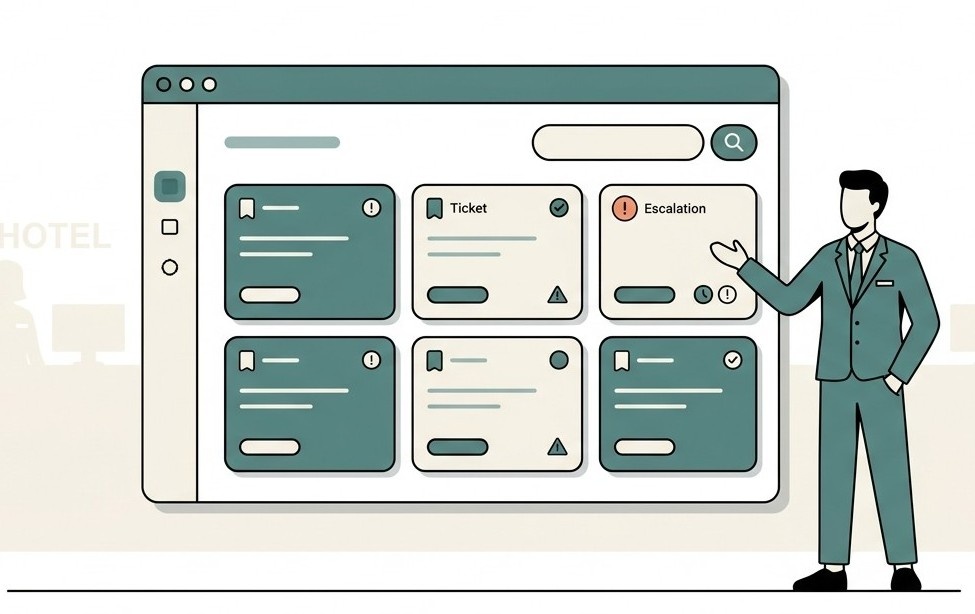
A guest calls at 2:10 a.m. about an air conditioner that will not stop rattling. The night team logs the call, moves the guest to another room, and gets on with the shift. The general manager walks in at eight.
The question that decides how the day goes is simple. Does the GM already know about that call before the morning briefing, or does it surface halfway through as a surprise?
In most hotels, it surfaces as a surprise. And that one small gap repeats itself every single morning, across every department, in ways that quietly shape the quality of every decision made before noon.
How most GMs piece together the night
Ask a GM at a hotel running on manual processes how they find out what happened overnight, and you usually get some version of the same routine.
Sometimes there is a night manager report, if the night manager had time to write one. Other times, someone walks past the front desk to ask how the night went. The logbook may or may not include every incident that occurred. And there is the morning briefing itself, where department heads report what they know.
Each of these sources is honest. None of them is complete. The front desk knows about the AC complaint but not the plumbing issue engineering handled at 4 a.m. Engineering knows about the plumbing but not the room service order that took forty minutes. Housekeeping knows which rooms went out of order but may not know why.
So the GM builds a picture of the night from fragments, filtered through whoever happened to be on duty and whatever made it into a handover. Logbooks, WhatsApp groups, and verbal handovers all carry pieces of the truth, and none of them talk to each other. By the time the picture is assembled, the briefing is already over.
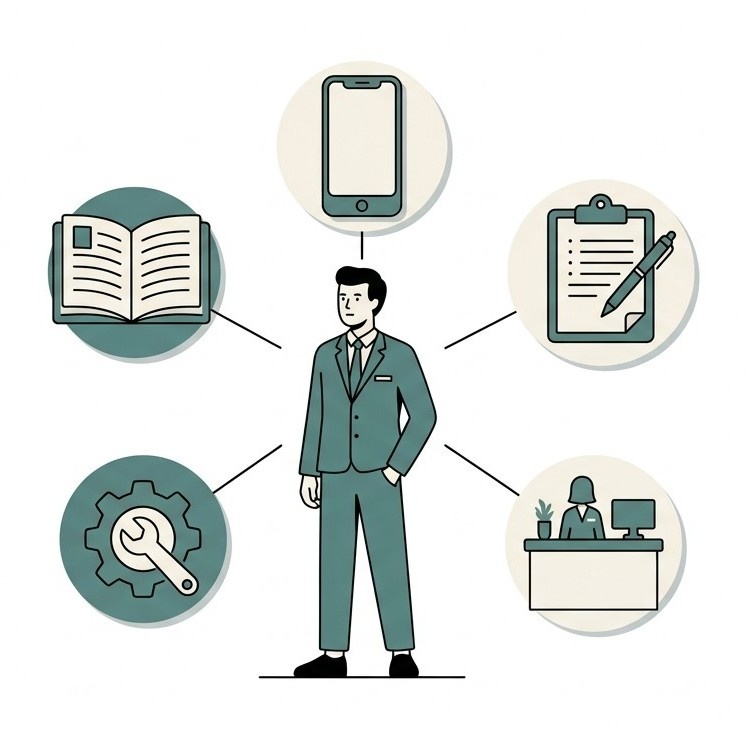
The result is a morning meeting that runs backwards. It spends most of its time establishing what happened instead of deciding what to do about it.
One screen with the whole night on it
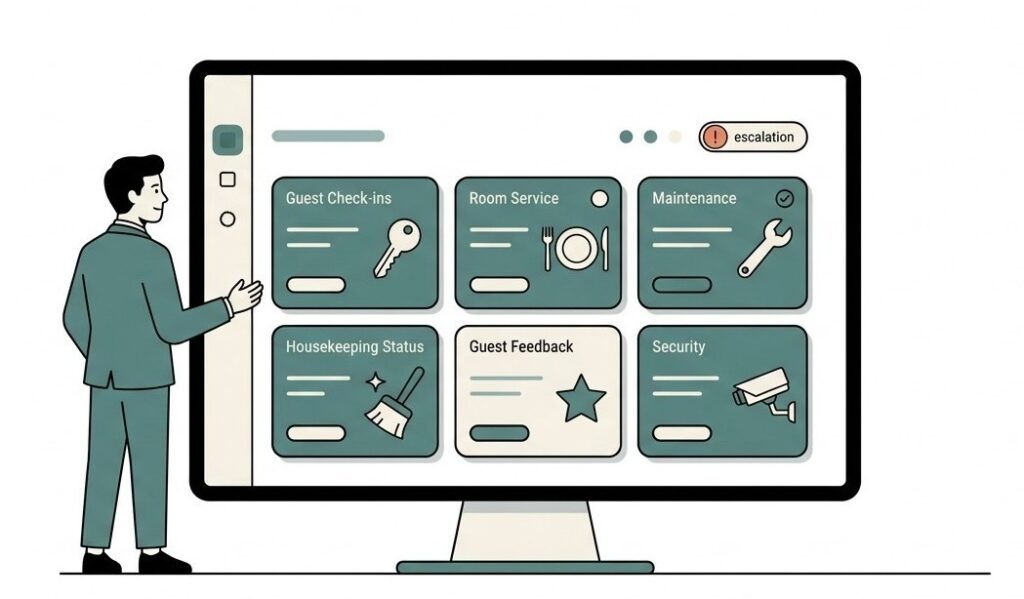
Geedesk changes the starting point. The GM dashboard is a live dashboard that shows every guest call in the hotel on a single screen. Not a summary someone compiled. Not a report that depends on the night manager’s memory. The actual tickets, as they stand right now.
A GM who opens the dashboard at 7:45 a.m. sees the night as it actually happened. Every complaint and request logged overnight is there, along with its status. Resolved tickets show as resolved. Open tickets show as open. And because Geedesk escalates open and on-hold tickets automatically based on the escalation policies the hotel sets, anything that sat too long during the night has already been pushed up the chain by the time the GM logs in.
That last part matters more than it sounds. An escalated ticket at 7:45 a.m. is not just an unresolved problem. It is a problem the system already flagged hours ago, without waiting for anyone to notice it. The GM does not have to ask whether something slipped. The escalation already answered that before anyone speaks.
Department managers get their own version of the same visibility. The Manager dashboard shows each department head the calls belonging to their own team. So when everyone walks into the briefing, they have all been looking at the same data, just cut differently.
Maintenance flags and open tasks sit in the same picture
Guest complaints are only part of what a GM needs to see before the first briefing. The other part is the work behind the scenes.
Hotels using the Geedesk Maintenance add-on record and track maintenance activities in the same platform. That rattling AC from 2 a.m. does not just exist as a closed guest complaint. It also exists as a maintenance job with its own status, which is the difference between “we handled the guest” and “we fixed the problem.” A GM who sees both knows whether room 412 can be sold tonight.
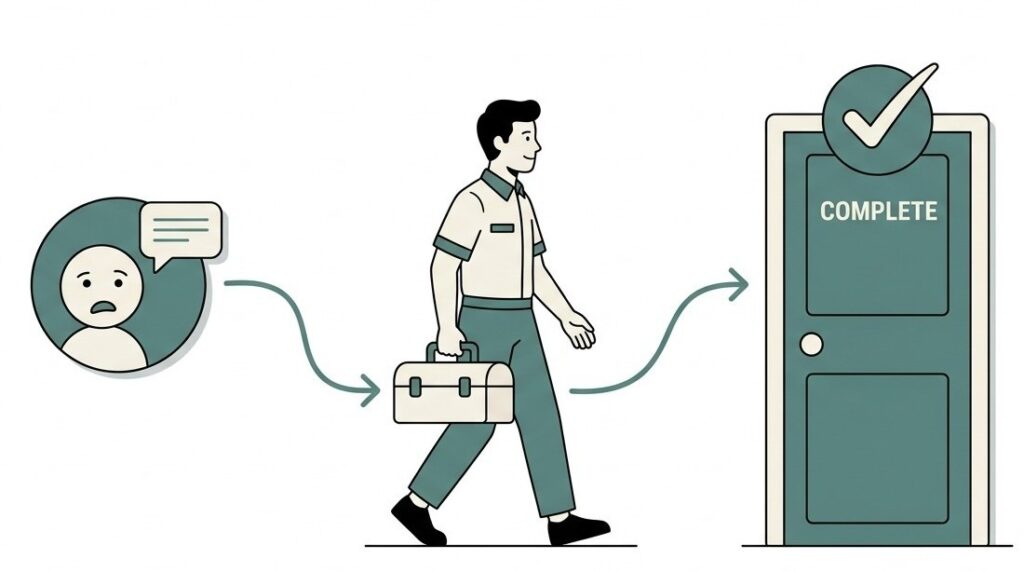
Team Tasks covers the internal work that never touches a guest directly. Follow-ups, department jobs, and the small commitments that usually live in notebooks and WhatsApp threads sit as trackable items instead. When a GM asked engineering to look at the banquet hall lighting on Friday, that task is either done or visibly not done on Monday morning. Nobody has to remember to ask.
Scheduled tickets round out the forward view. A wake-up call and coffee promised for 6 a.m. sits in the system the night before, and Geedesk assigns it to whoever is on duty at the right time. The GM can see what the hotel has committed to today, not just what went wrong yesterday.
Today’s VIPs are part of the same morning picture
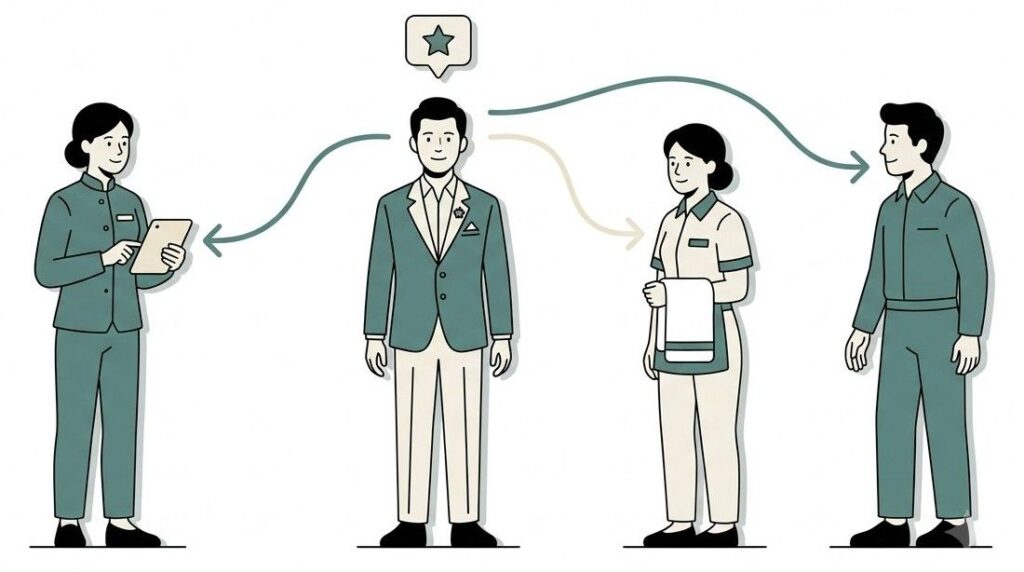
The night that just ended is only half of what a GM needs before the briefing. The other half is the day about to start, and the guests in it who cannot afford a rough morning.
Geedesk’s VIP and VVIP alerts let the front office notify staff when a VIP guest checks into the property. The front office can also send handle with care alerts for guests who had a problem earlier in their stay and need extra attention now.
For the GM, this closes a familiar gap. The guest who complained at 2 a.m. and got moved to a new room is exactly the guest who should not face a slow breakfast at 8. When that guest carries a handle with care alert, every department in the briefing already knows it. The GM does not have to hope the night’s handover mentioned it. Recovery becomes a plan the whole team walks out with, instead of a note on one person’s pad.
The briefing stops being a news update
Put all of that together and the morning briefing changes shape.
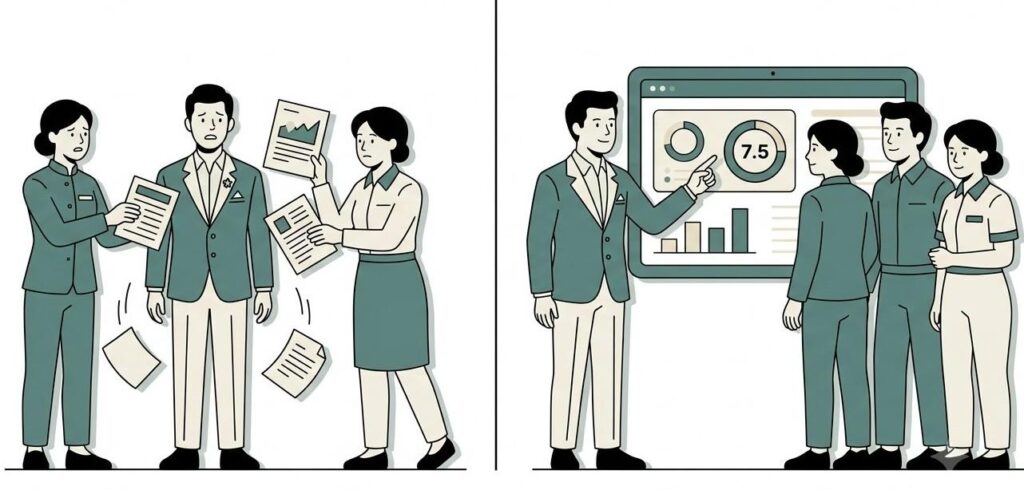
The old briefing is a round of status reports. Front office reports arrivals and incidents. Housekeeping reports room status. Engineering reports breakdowns. The GM listens, takes notes, and asks clarifying questions. Most of the meeting goes into transferring information that already exists somewhere.
The Geedesk briefing skips that layer. Everyone already knows the AC in 412 rattled at 2 a.m., because it is on the dashboard. So the conversation starts one level deeper.
Instead of “what came in overnight,” the GM asks why room service tickets took longer after 11 p.m., and whether that is a staffing gap or a kitchen issue. Instead of “did we fix it,” the question becomes “this is the third HVAC complaint on the fourth floor this month, do we need to bring the AMC vendor in early?” The reports module supports exactly this kind of question, with data on staff performance, guest satisfaction levels, escalated ticket counts, and end of day summaries.
Follow-ups change too. When an open ticket is visible to everyone in the room, it gets an owner and a deadline in the meeting. It does not wait to be rediscovered tomorrow. The GM’s questions get sharper because the easy questions are already answered, and department heads prepare differently when they know the GM has seen the same screen they have.
The briefing moves from reporting to deciding. That is the whole advantage, compressed into thirty minutes.
What one GM says changed
A General Manager at Radisson Blu Kochi points to exactly this kind of visibility. His team uses Geedesk to track engineering issues and pending tasks alongside guest requests, and he credits it with “noticeable improvements in response times and issue resolution.”
The pattern in his account is worth noticing. The value he describes is not a single feature. It is the fact that guest complaints, engineering issues, and pending tasks stopped living in separate places. Once they sit in one system, the morning picture stops depending on who remembered to mention what.
The GM Report reaches the inbox before the GM reaches the lobby
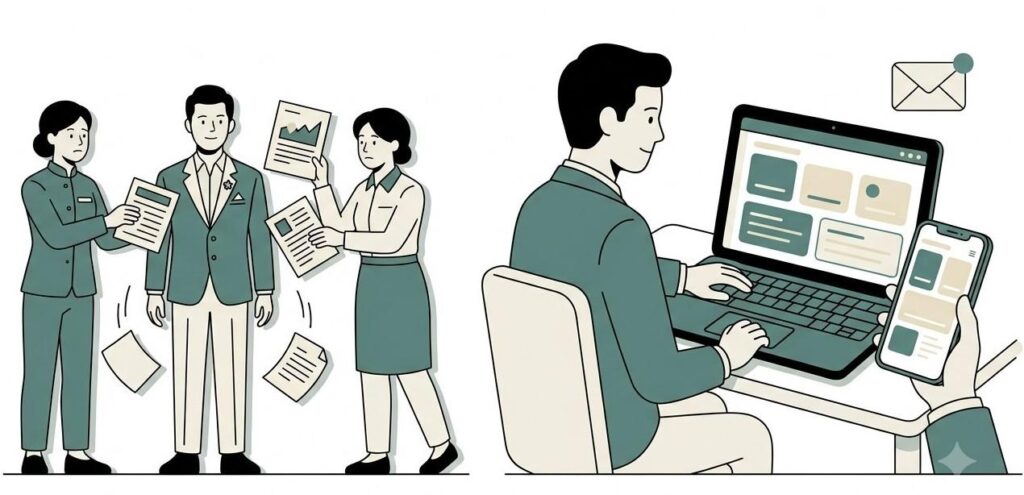
Some mornings the GM is not in the building. Ownership meetings, travel, or a second property mean the dashboard is not always the first screen of the day.
Geedesk covers that gap with the GM Report, delivered by email to a mapped group of up to five users. The GM reads the previous day’s picture over coffee at home, or in the car, and walks into the briefing with the same head start. Add the mobile apps for Android and iOS, and the morning advantage does not depend on being at a desk at all.
For group hotels, the property dashboard extends the same idea across the portfolio. A corporate team or a GM overseeing more than one property can view collective data across hotels or filter down to any single one, so the same morning routine works whether you run one hotel or six.
See the GM dashboard on your own hotel’s mornings
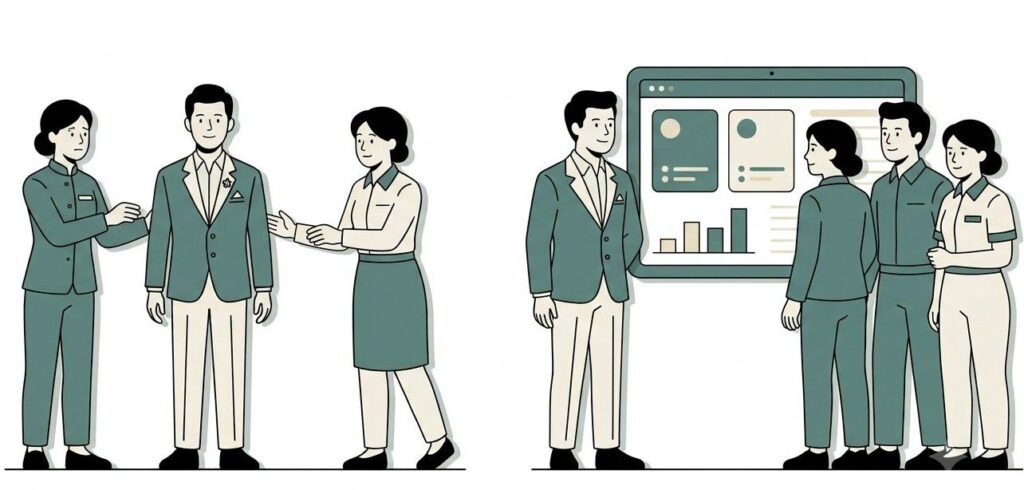
The easiest way to judge this is not a feature list. It is to picture tomorrow’s 9 a.m. briefing and count how many minutes go into telling you things a screen could have told you at 7:45.
Book a demo of Geedesk and ask to see the GM dashboard first. Bring a real morning from last week, the kind with an overnight complaint, an open maintenance job, and a follow-up that slipped. Then see how that same morning looks on one screen.