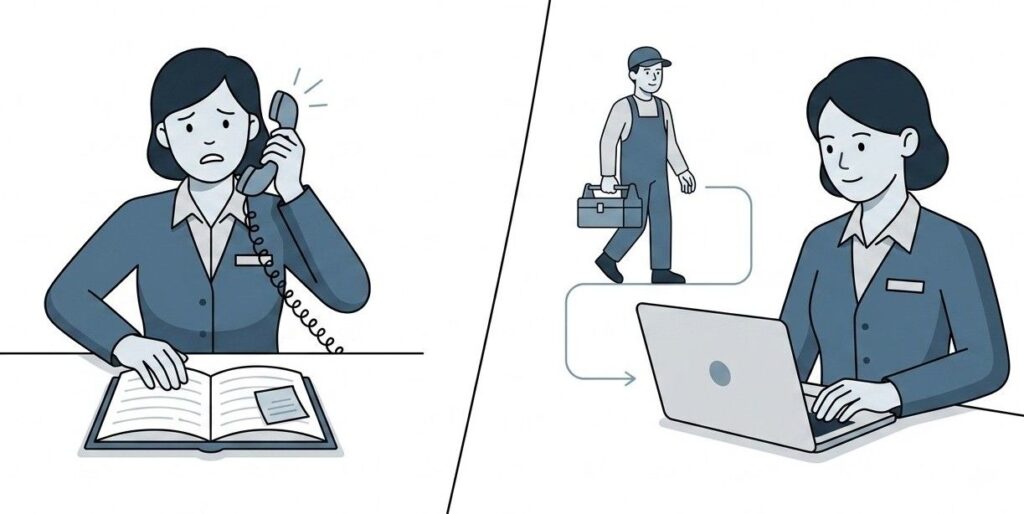
A guest calls the front desk about a leaking tap. So the receptionist writes it in the logbook and calls maintenance. But maintenance is on another floor. The note gets a tick mark that means “informed,” not “fixed.” Then, two hours later, the guest calls again, angrier this time.
Every hotel that runs on logbooks, phone calls, and WhatsApp groups knows this story. So some hotels try to fix it with a generic help desk tool built for IT teams. That usually creates a different problem, because the software has no idea what a room, a shift, or a VIP guest is. Staff fight the tool instead of using it, and within a month everyone is back on the phone.
Geedesk was built for hotels from day one. Here are ten reasons hoteliers who switched say it was the right call.
1. Every request gets an owner the moment it is logged
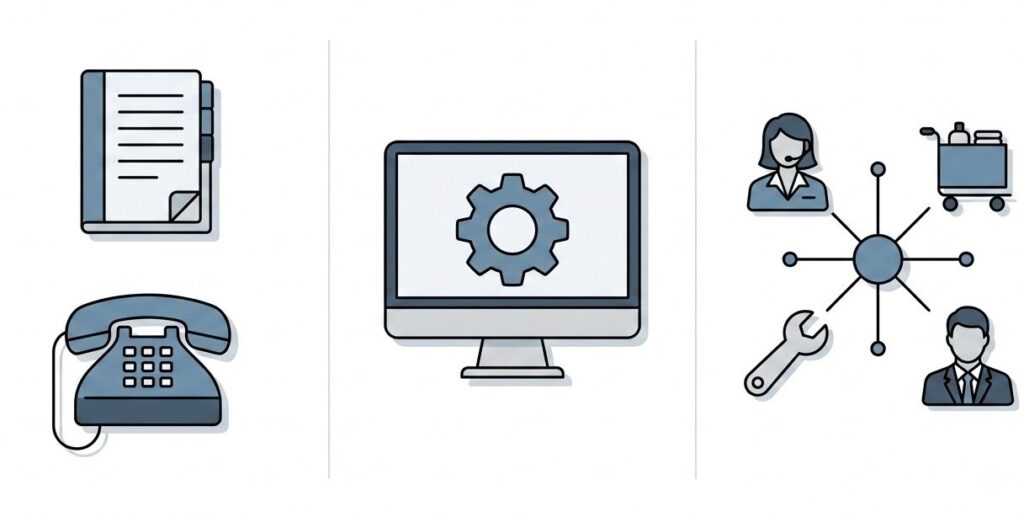
With manual tracking, a request belongs to whoever picked up the phone. Then that person gets busy, and the request quietly dies. Shift changes make it worse, because what the morning team knew, the evening team never heard about.
Geedesk’s automatic ticket assignment routes every request and complaint to the right person in the right department the moment it is created. Nobody has to decide who handles it. Nobody can say they never heard about it. And when shifts change, the ticket stays open and visible instead of leaving with whoever went home. One Geedesk customer cut the time taken to address complaints by 75 percent after making this switch.
2. Escalations happen without the GM chasing anyone
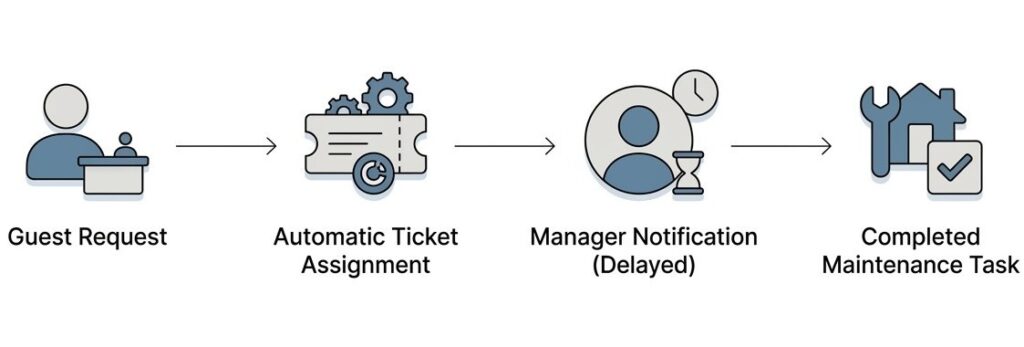
In most hotels, escalation means the GM finds out about a problem when the guest is already at the front desk asking for the manager.
Geedesk’s escalation policies work differently. If a ticket sits unresolved past its time limit, the system alerts the next person up the chain automatically, through SMS, WhatsApp, or the Geedesk mobile app. Escalation runs across multiple levels, and you can set different escalation rules for tickets with different priorities. A minor request can wait longer than a complaint from an arriving guest, and the system respects that difference without anyone watching the clock.
As a result, the GM hears about a stuck request from the system, not from an angry guest. Speed is not optional here. Research from BCV Social found that 79 percent of guests expect a response to their complaint within 24 hours. With logbooks and phone calls, hitting that window consistently is luck. But once timers and escalation rules take over, it becomes routine.
3. VIP guests never wait in the same queue
A generic help desk treats every ticket the same. That works for password resets, but it fails badly when the guest in the presidential suite reports a problem.
Geedesk’s VIP and VVIP alerts flag requests from your most important guests instantly, so managers know the moment something goes wrong for a guest who matters most to the property. For example, picture a corporate client who books forty room nights a month reporting a problem with the AC. In a paper system, that complaint looks like every other complaint. But in Geedesk, the manager’s phone buzzes before the guest has hung up.
No hotelier wants to learn a VIP had a bad stay from the review they posted afterwards.
4. It plugs into the PMS your hotel already runs
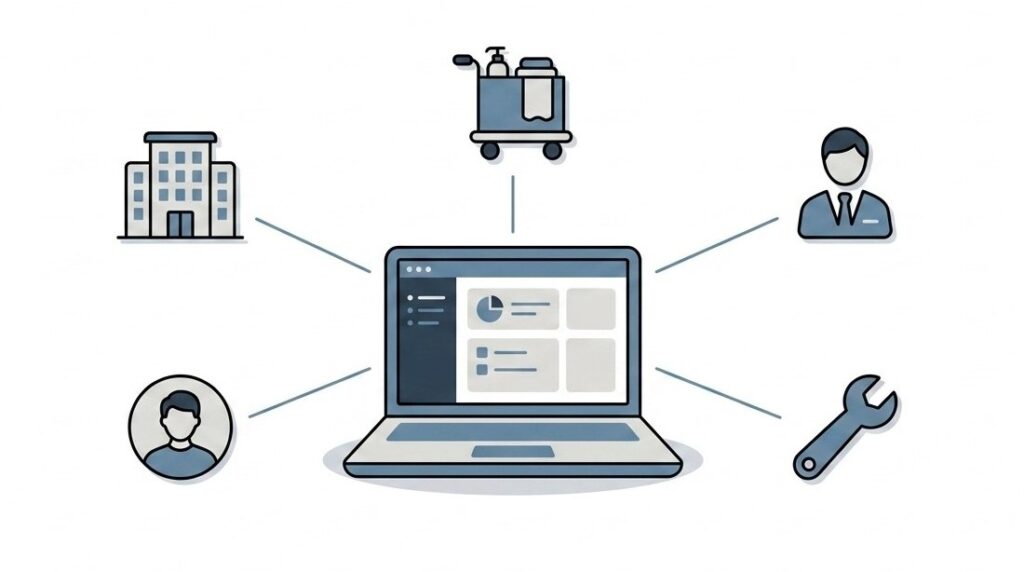
Hoteliers hesitate to add software because new tools often fight with the PMS. In fact, generic help desk products were never built to talk to hotel systems at all.
Geedesk integrates with the platforms hotels already use, including Oracle Opera, WinHMS, IDSNext, SAP, DigiValet, Hudini, and Milanity. The Opera integration syncs guest data directly with complaints, so staff see who the guest is and what they reported in one place. That sync also helps you spot repeat complaints from the same guest or the same room, the pattern that a logbook never reveals. Geedesk also integrates with OpenAI to surface insights from complaint and request data.
5. The rule engine does the routing your team does by hand
Generic tools make someone sit and sort tickets. But in a hotel, that someone already has a full shift.
Geedesk’s rule engine lets you set the logic once. For example, a plumbing complaint goes to maintenance, while an extra towel request goes to housekeeping. A complaint that crosses a threshold triggers an alert to the duty manager. After that, the system applies your rules on every ticket, on every shift, including the night shift when your most experienced staff are asleep.
6. Staff work from their phones, not a back office desktop
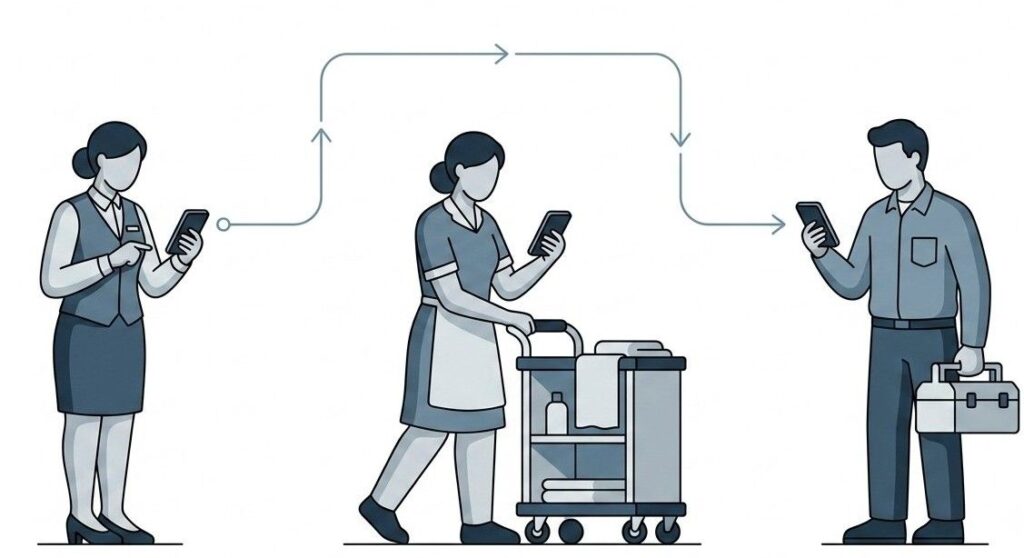
Housekeeping is on the fourth floor. Meanwhile, maintenance is in the basement. So a tool that lives on one desktop at the back office is a tool your team walks away from.
Geedesk runs on mobile, so staff receive, update, and close tickets from wherever they are standing. Updates flow over SMS, WhatsApp, and the Geedesk app, which means the tool fits how hotel teams already communicate instead of forcing a new habit.
There is a detail here that matters for properties where not every staff member carries a smartphone. Geedesk works over plain SMS, so an employee with a basic feature phone can still receive and act on tickets. As a result, the whole team gets covered, not only the staff with the newest devices. And because Geedesk is cloud based, there are no servers to buy or maintain. Any device with a browser can run it.
7. GMs see the whole property without asking for a report
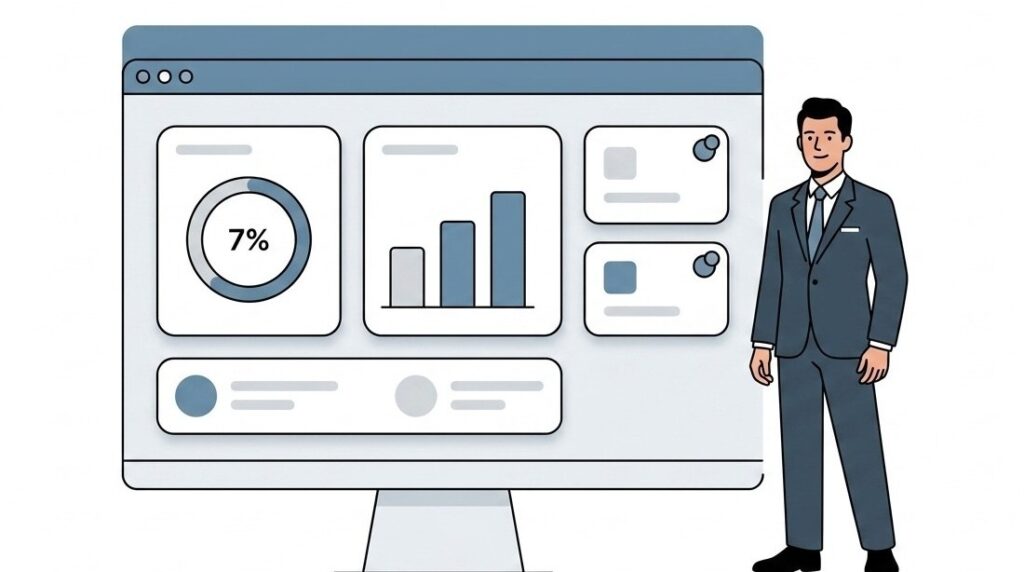
Manual tracking gives a GM one view of operations: walking the floors and asking questions. Generic tools give a dashboard built for IT metrics nobody in hospitality uses.
Geedesk’s GM dashboard and property dashboard show open tickets, delays, and department performance in one view. So a GM can spot that housekeeping is running behind before checkout, not after the complaints arrive. Then the morning briefing starts with facts on a screen instead of each department head’s version of yesterday.
8. Recurring jobs schedule themselves
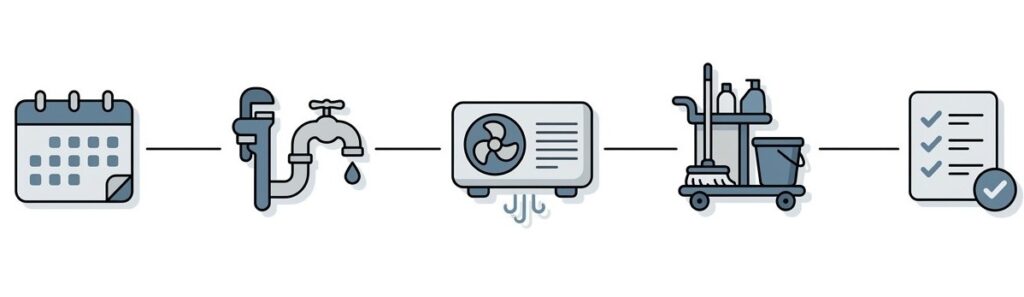
Boiler checks, AC servicing, monthly deep cleans. In a logbook system, these live in someone’s memory, and memory fails on busy weeks. And the check that gets skipped in a full house is exactly the one that turns into a breakdown during the next full house.
Geedesk’s ticket scheduling creates these jobs automatically on the dates you set, assigned to the right department like any other ticket. Preventive maintenance stops depending on whoever remembers, which is usually how a small fix becomes a room out of service.
9. Track the Metrics That Matter to Hotels
Reports in generic help desk software talk about SLAs and agents. That is useful for a software company, but meaningless in a morning briefing at a hotel.
Geedesk’s reports track what a hotelier actually manages: departments, response times on guest requests, and complaint patterns across the property. For example, if room cleanliness complaints spiked in a specific week, the report shows it, and you can dig into the cause instead of hearing about it as a vague feeling from the front desk. For hotel groups, reporting also rolls up across properties, so leadership compares performance without collecting spreadsheets from each GM.
10. One platform grows with the property
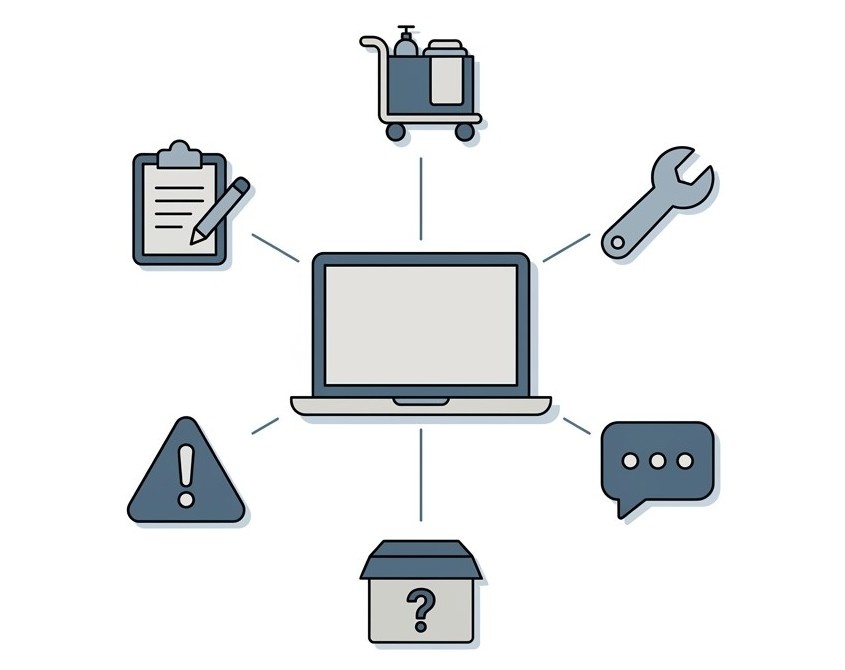
Most hotels that stitch together separate tools for housekeeping, maintenance, and guest messaging end up with staff juggling logins and data that never meets.
Geedesk’s add-ons run on the same platform as the core system. Geedesk Housekeeping manages room status and cleaning tasks, so the front desk knows which rooms are ready without calling the floor. Geedesk Maintenance handles engineering work on the same ticket flow as guest complaints. Glitches tracks service failures so patterns surface instead of repeating, which is how a hotel learns that the same breakfast issue has now happened four Saturdays in a row. Geedesk Messenger keeps team communication in the same place as the work.
Everything runs behind one login, and everyone sees the same picture of the property. So when a hotel grows into a new department or a new problem, it switches on an add-on instead of shopping for another vendor.
The real comparison is not between tools
The choice most hoteliers face is not Geedesk versus another product. It is Geedesk versus the way things have always been done: logbooks that hide problems, phone calls that leave no trail, and guests who tell the review site what they never got to tell the staff.
Hotels that make the switch usually describe the same moment. After a few weeks, a manager realizes nobody has asked “who was handling that?” in days. That is the decision paying off.
See how it would work at your property. Book a demo with the Geedesk team, and if you want to test it with your own workflows, a one month paid trial gives your staff time to run it through real shifts before you commit.