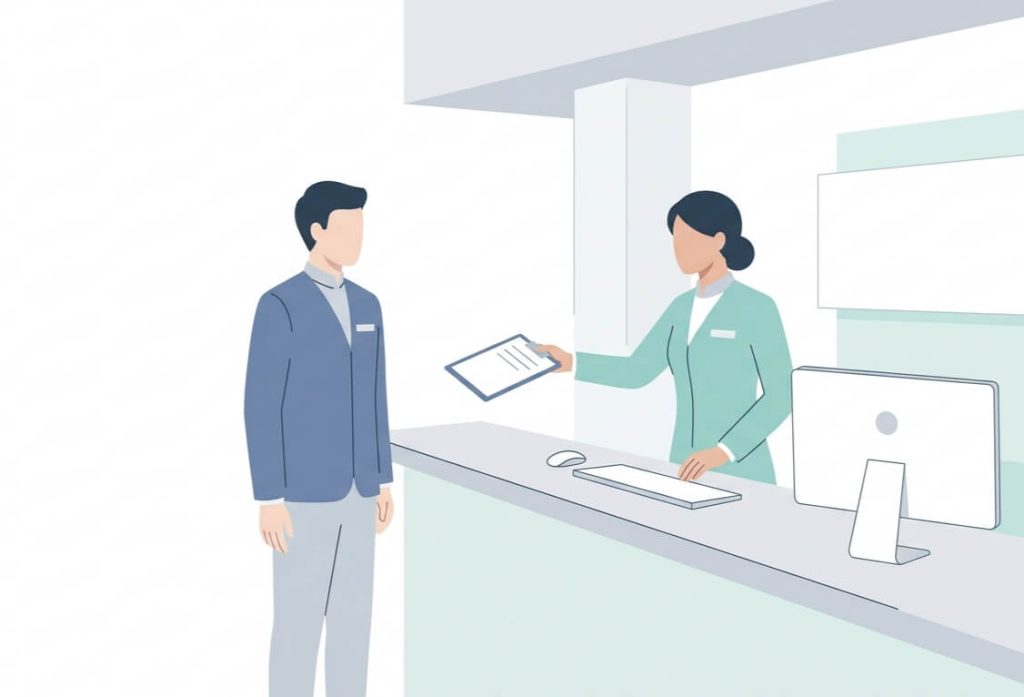
Every hotel, hospital, or service business runs on one invisible thread: the handover. Twice a day, sometimes three times, one team passes the baton to the next. Too often, teams drop the baton.
A guest asks the morning team to send up extra pillows. The afternoon crew never hears about it. The team flags a maintenance issue at 2 pm, but the evening supervisor walks in without knowing it exists. A VIP guest mentioned a dietary restriction at check-in, and the restaurant found out only when the plate arrived at the table.
These are not rare, dramatic failures. They are ordinary ones. They happen every day in properties that rely on verbal handovers, paper logbooks, and the memory of tired staff members ending a long shift.
The shift handover problem is one of the most common and most overlooked sources of guest dissatisfaction in service industries. This post breaks down why the problem persists and what digital tools are doing to fix it.
Why Shift Handovers Break Down
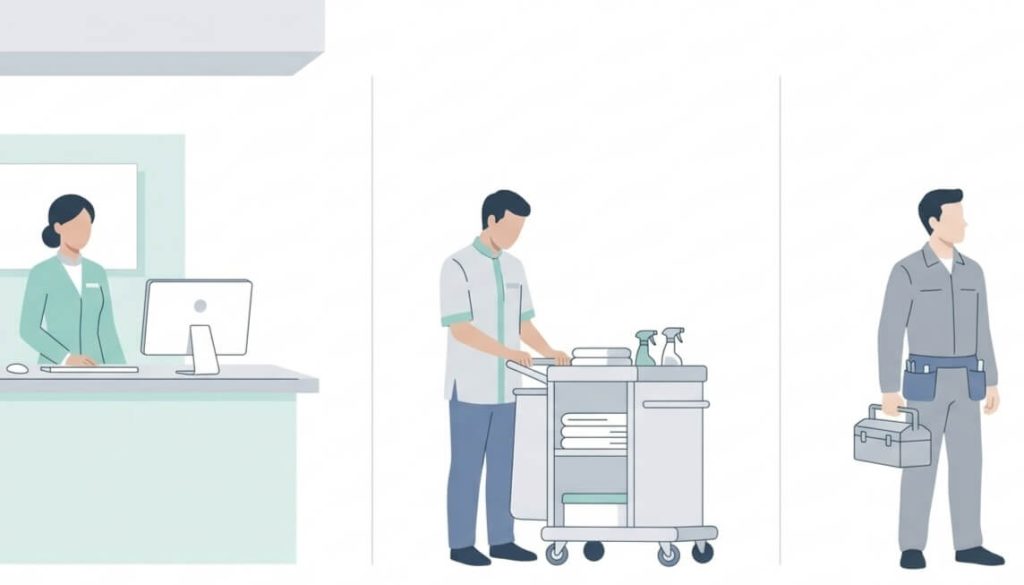
The core issue is simple: information lives in people’s heads, not in systems.
When a shift ends, the outgoing team tries to summarize hours’ worth of activity in a few minutes. They write notes in a logbook or give a verbal briefing to whoever is coming on duty. People leave out important details, not because they are careless, but because humans cannot remember and relay everything accurately under time pressure.
Here is what typically goes wrong
Incomplete information transfer
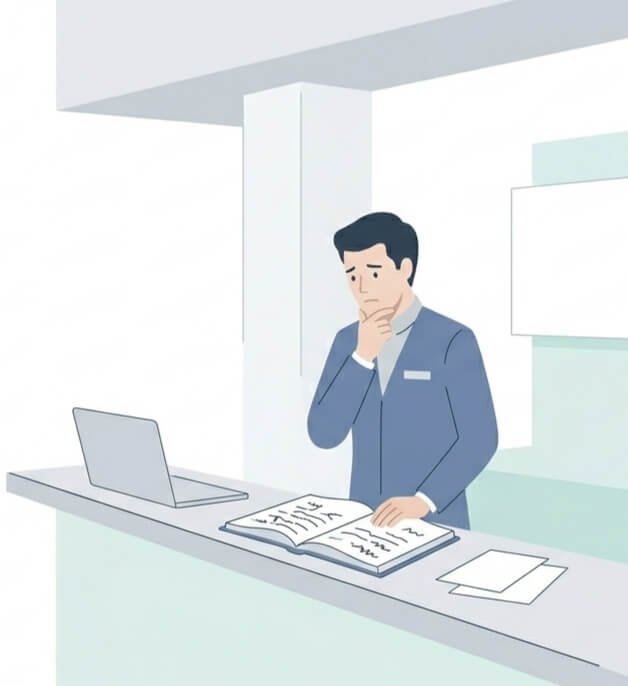
The outgoing team focuses on the urgent items and forgets the small ones. But small things matter enormously to guests. The team needs to deliver a birthday cake.
A room that needs a specific type of replacement bulb. These details rarely survive a rushed handover.
No accountability trail
Paper logbooks provide no timestamps, confirm no one has read the entry, and offer no way to track whether someone actually completed a task. If something falls through the cracks, there is no record of who knew what and when.
Inconsistent formats
Different staff members write notes differently. Some employees write detailed notes; others write one-liners. New employees do not always know what to look for. The information exists in theory, but teams bury it or present it unclearly.
Communication silos between departments
The front desk finishes their shift and logs a note about a guest complaint.
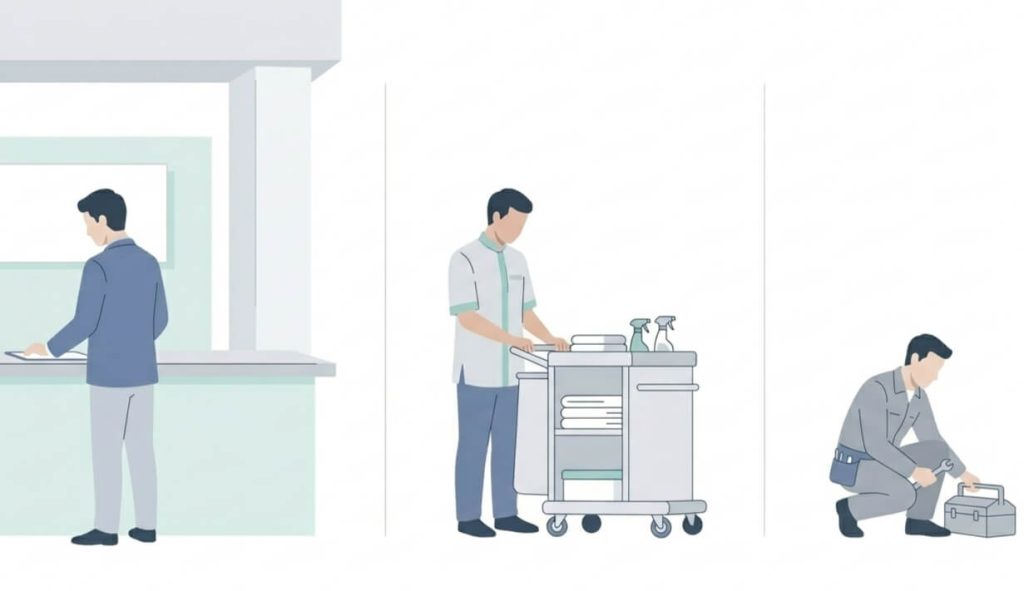
But housekeeping, maintenance, and food and beverage never see it because they each have their own separate logbook or verbal briefing chain.
Time gaps between shifts
In many properties, the outgoing and incoming staff overlap for only ten or fifteen minutes. That is not enough time to transfer a full picture of what happened over the last eight hours.
The result is a guest experience that feels inconsistent. The morning team delivers excellent service. The evening team, working from incomplete information, drops the ball on three things the morning team promised. The guest blames the property, not the system.
The Real Cost of a Poor Handover
Before we look at solutions, we should be honest about what poor handovers actually cost.
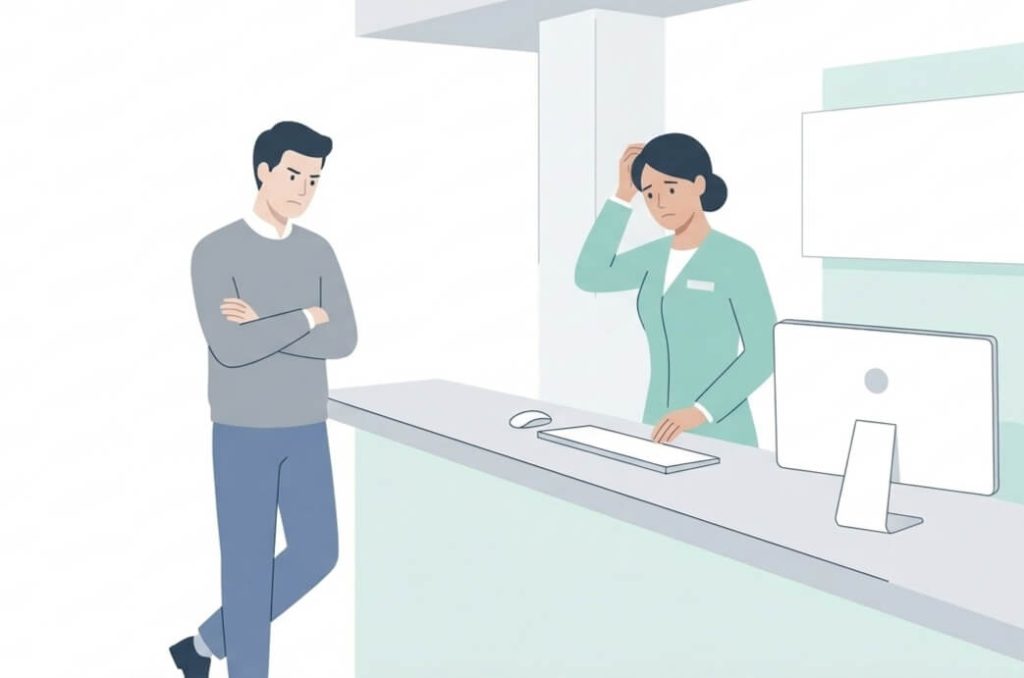
Poor handovers lower guest satisfaction scores when teams forget or repeat requests. Guests who have to ask for the same thing twice feel unheard. That feeling sticks. It often ends up in a review.
Staff morale takes a hit too. Employees who constantly deal with incomplete information from the previous shift feel frustrated and set up to fail. They spend time chasing context instead of serving guests.
Managers waste hours every week investigating what went wrong and who knew what. That time could go toward training, planning, or improving the guest experience directly.
The handover problem is not just a communication issue. It is a productivity issue and a revenue issue.
What Digital Solutions Actually Do
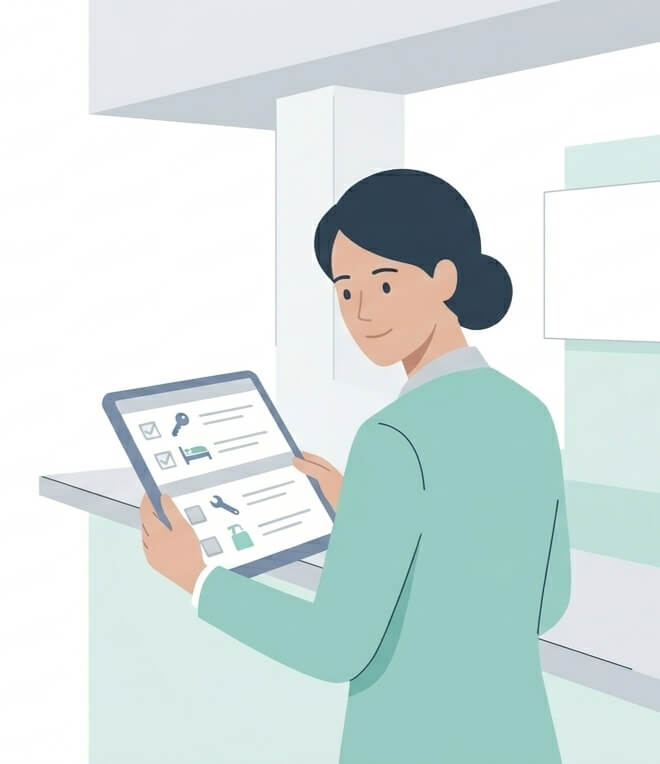
Digital handover and communication tools do not just replace the paper logbook with a digital version of the same thing. The good ones change how information flows through a property entirely.
Here is what they bring to the table.
Structured, searchable logs
Instead of free-form notes, digital tools prompt staff to log information in a consistent format. Every entry gets a timestamp, a category, a status, and an owner. The incoming team does not have to decode handwriting or interpret vague notes. They open the platform and see exactly what needs attention.
Real-time updates across departments
When a front desk agent logs a guest request, housekeeping and maintenance can see it immediately on their own devices. No more waiting for the next briefing. No more information sitting in one department while another department needs it.
Task tracking and completion confirmation
Digital tools let managers assign tasks with deadlines and track completion. If someone logs a task but does not mark it as done, the system flags it. The incoming team knows immediately what is pending and what still needs action.
Automatic escalation
Some platforms allow managers to set rules around task urgency. If no one acknowledges a high-priority request within a set time window, the system automatically alerts a supervisor. This removes the human bottleneck from urgent situations.
Shift summaries that write themselves
Instead of a team leader scrambling to summarize eight hours of activity in five minutes, modern tools compile everything logged during the shift into a clean summary. The incoming team reads a structured briefing before they even step onto the floor.
Audit trails for accountability
The system records every action. If a guest files a complaint the next day, managers can pull the log and see exactly who communicated what and when. This is not about blame. It is about learning where the process broke down.
What to Look for in a Digital Handover Tool
Not every piece of software does all of this well. If you are evaluating options, here are the things that matter most.
Ease of use comes first. Staff will not use a complicated tool consistently. Choose a clean interface that requires minimal training. The best systems support people who are busy and moving fast.
Mobile access matters more than desktop access in most service environments. Staff are not sitting at desks. They are moving through a building. The tool needs to work on a phone or tablet without friction.
Integration with your existing systems saves time and reduces errors. When the handover tool connects to your systems, it lets information flow automatically instead of requiring manual entry.
Customization is important because every property is different. A 20-room boutique hotel has different handover needs than a 300-room conference hotel. The best tools let you configure task categories, user roles, and notification rules to match how your property actually operates.
People often underrate reporting and analytics. A tool that tracks completion rates, response times, and recurring issues gives managers data to act on. You can see patterns, such as requests that repeatedly fall through the cracks during a specific shift, and fix the underlying process.
The Human Side of the Change
Technology only solves part of the problem. The other part is culture.
Digital tools work best when teams believe in the process behind them. Staff need to understand that logging information is not extra work. It is the work. It protects them as much as it protects the guest, because a clear record means no one gets blamed for something they were never told about.
Training matters, but so does leadership. If managers log information consistently and use the platform as part of their own daily routine, staff will follow. If managers ask for updates verbally instead of checking the system, they discourage staff from using it.
The properties that get the most value from digital handover tools are the ones that treat the platform as the single source of truth for shift communication. Not one option among several. The only option.
Starting Small Works
If a full platform rollout feels overwhelming, start with one department or one shift. Start with front desk handovers because the team is small and the information flow stays well defined.
Once staff see that the tool saves them time, reduces confusion, and makes their jobs easier, adoption spreads naturally. You can expand to other departments and add more features as the team builds confidence with the system.
The goal is not to replace human judgment with software. Experienced staff still make the decisions. What changes is the quality of information they have when they make them.
The Bottom Line
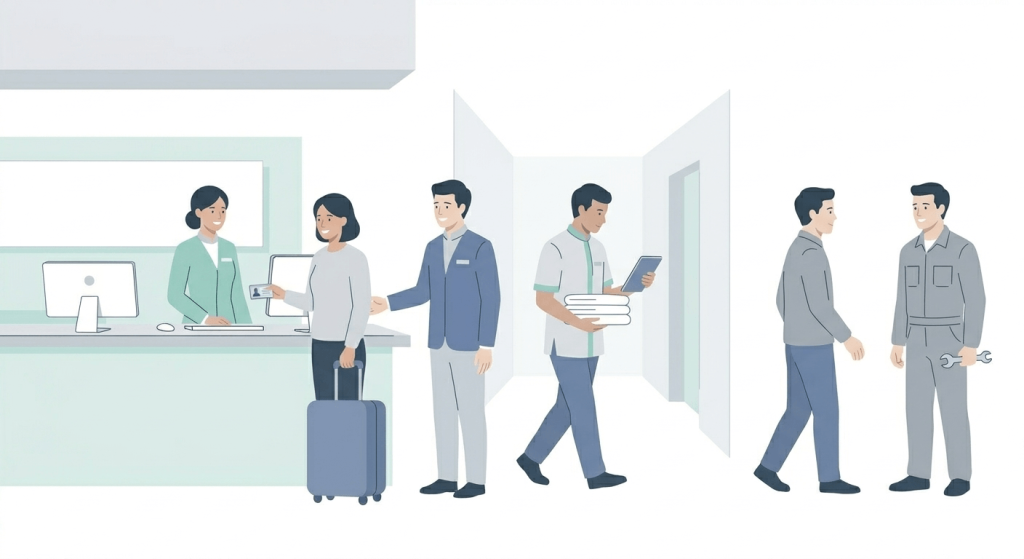
Shift handovers will always be a moment of vulnerability in service operations. Information has to move from one group of people to another, and gaps will always be possible. But the size of those gaps is a choice.
Properties that rely on verbal briefings and paper logbooks are accepting a level of risk that is entirely avoidable. Digital tools reduce that risk by creating structure, visibility, and accountability around information that used to exist only in someone’s memory.
Guest requests stop falling through the cracks not because staff suddenly become more attentive, but because the system catches what people miss. Good technology should do that.
If your team still hands over shifts the way they did ten years ago, information is getting lost. The question is how much.