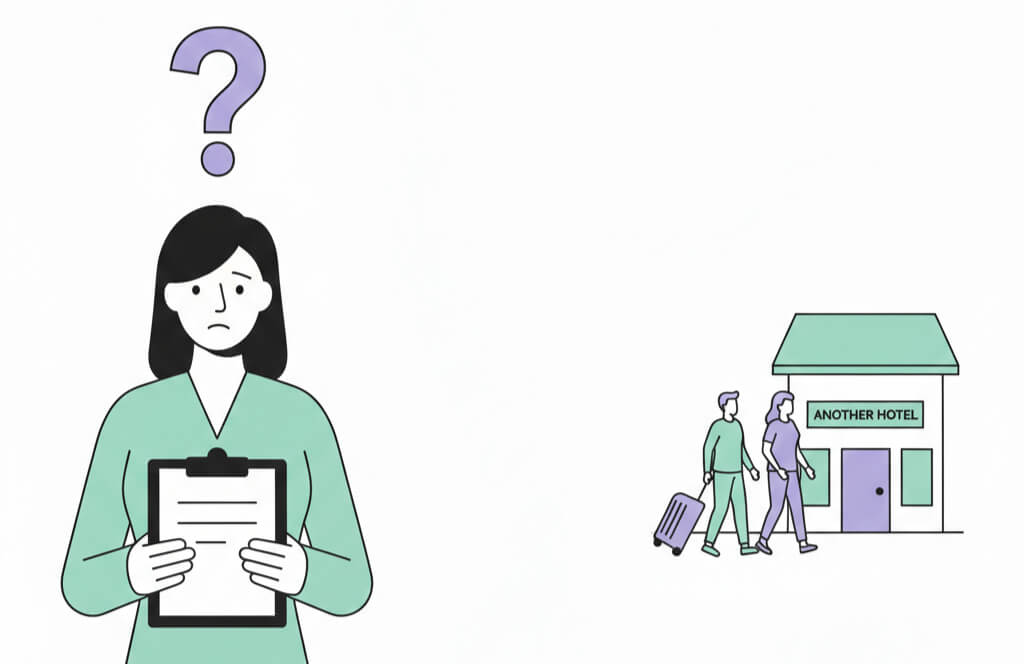
What happens when your most loyal guests, those who return multiple times, spend on upgrades, and recommend your hotel to others, stop coming back? Many hoteliers believe that a guest who returns is automatically loyal. The reality is more complex: repeat guests are sensitive, and even small mistakes can prompt them to choose a competitor.
Loyal guests are more than just a source of revenue. They are brand ambassadors, advocates, and the foundation of long-term growth. Losing them is not only a financial loss but also a strategic failure that often goes unnoticed until occupancy declines. Many hotels focus on attracting new guests while neglecting the very individuals who sustain their business. This article explores why repeat guests leave and how hotels can prevent it.
Consistency: The Key to Retention
Consistency is essential for keeping guests loyal. Guests notice small changes in service and room quality more than slogans, brochures, or even luxury amenities. A missing welcome note, untidy towels, or subtle cleanliness issues can create doubt. That doubt, however minor, can be enough for a guest to consider alternatives.
Consider Emily, a frequent business traveller who regularly stays at a mid-sized boutique hotel. She valued the spotless rooms, attentive staff, and thoughtful details. On her fifth visit, towels were unfolded, check-in took longer than usual, and her breakfast arrived cold. She did not complain but chose a competitor for her next trip. A slight drop in service consistency cost the hotel a valuable guest and potential referrals.
Consistency covers all areas: housekeeping, room quality, amenities, service interactions, and staff communication. Guests notice fluctuations more than perfection. A room that is perfect one day and subpar the next creates uncertainty, which undermines trust.
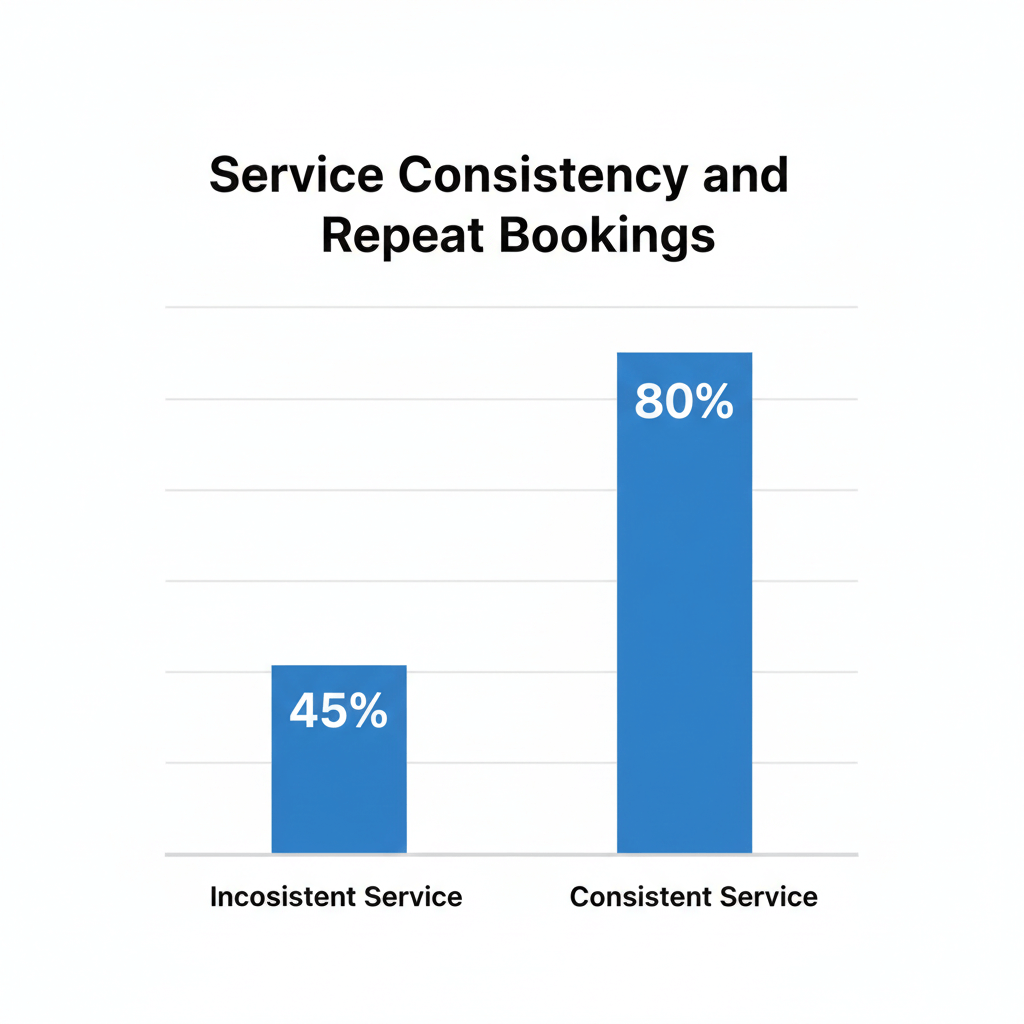
Research confirms that hotels maintaining a consistent service experience see up to eighty percent higher repeat bookings.
Actionable tip: Develop a department-wide guest experience checklist covering every detail, from room cleanliness to staff greetings and amenities. Conduct weekly audits to ensure standards are met. Consistency must be a routine, not a one-time effort.
Staff Awareness: Details Drive Loyalty
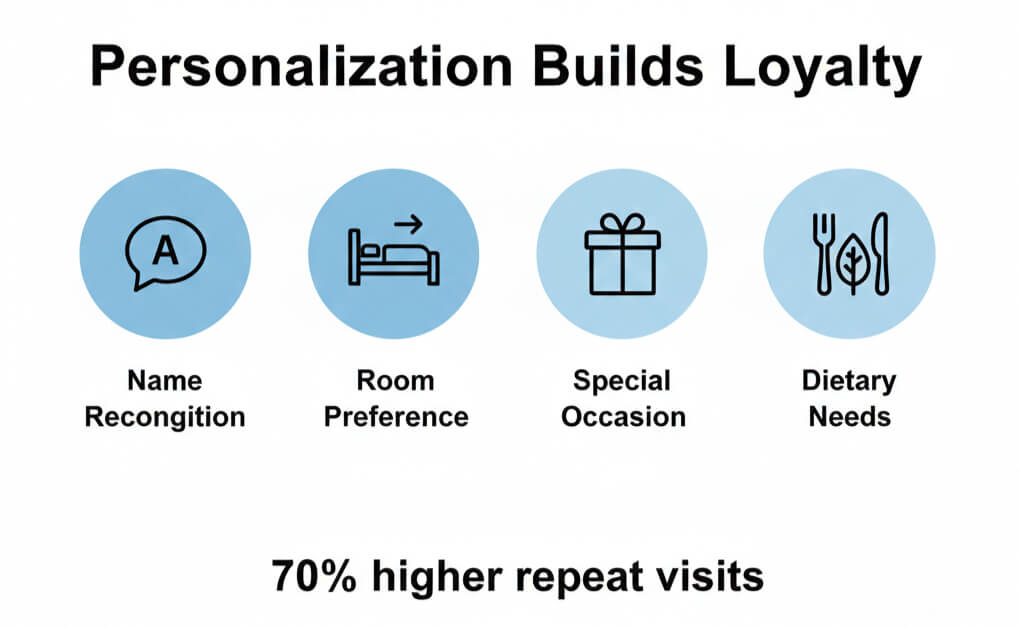
Remembering a guest’s name, preferred room, pillow type, or dietary restrictions is more than courtesy; it is loyalty insurance. Overlooking these details can make even a luxury property feel impersonal.
At one luxury resort, a system error erased VIP guest profiles. Returning guests were treated as first-time visitors. Despite pristine rooms and abundant amenities, the absence of personal attention caused dissatisfaction. Guests who once felt valued began questioning the hotel’s commitment to loyalty.
Staff awareness also requires understanding context. Did the guest arrive after a long flight? Are they celebrating a special occasion? Are there accessibility needs? Ignoring these cues can erode loyalty faster than operational mistakes.
Studies reveal that personalized attention increases the likelihood of repeat visits by over seventy percent.
Actionable tip: Train staff to log guest preferences in an accessible system. Encourage proactive gestures such as remembering past requests or noting birthdays. Small surprises like favorite snacks or room placement preferences create lasting loyalty.
Silent Defection: Guests Leave Without Warning
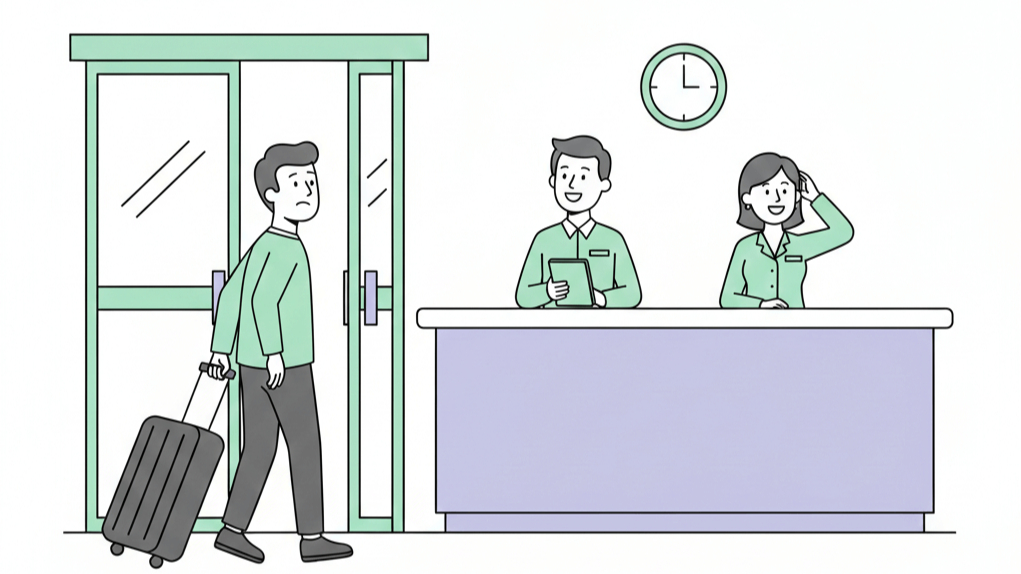
Many lost guests do not complain. They quietly stop returning, leaving no visible sign until occupancy or revenue declines. This makes silent defection particularly costly because hotels often only notice the problem after it affects the bottom line.
Raj, a consultant, faced inconsistent Wi-Fi, occasional housekeeping delays, and breakfast errors. Each issue alone was minor, but combined, they led him to try a competitor. Silent defection can erode revenue and brand reputation without warning.
Preventing silent defection requires anticipation. Ensure room readiness, verify preferences, and follow up on previous concerns. Small gestures, such as a welcome beverage or remembering a guest’s favorite newspaper, can make a significant difference.
Research shows sixty-three percent of guests switch hotels after a single negative experience.
Actionable tip: Conduct monthly analyses of repeat guest behavior. Track deviations from expected service standards to detect early signs of silent defection.
Fast Problem Resolution: Turning Frustration into Loyalty
Operational problems are inevitable. Delayed check-ins, missing items, or maintenance issues can frustrate even loyal guests. The speed of resolution is crucial. Quick action transforms frustration into loyalty, while slow responses can drive guests away.
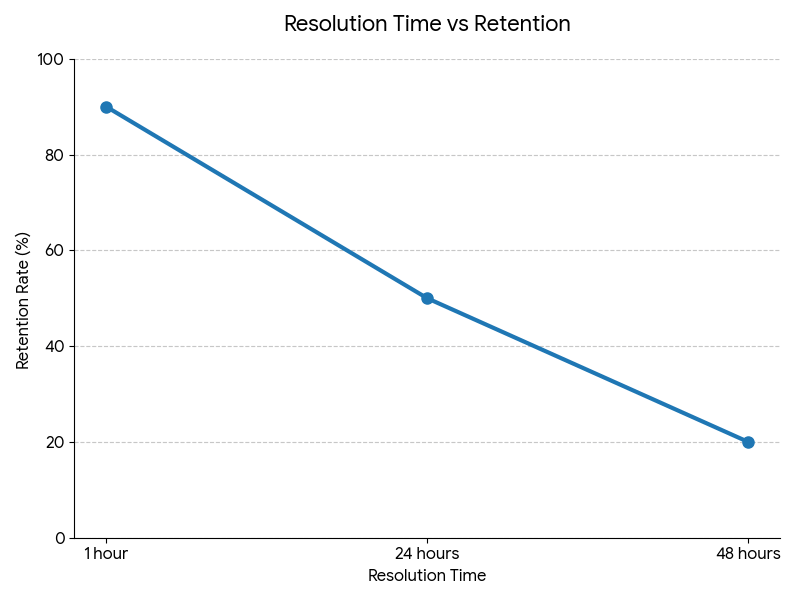
For instance, a hotel took two days to resolve a plumbing problem. The guest left disappointed and never returned. A competitor solved a similar issue within an hour, earning both repeat bookings and positive reviews.
Fast resolution demonstrates competence, attentiveness, and respect for a guest’s time. Empower staff to address problems immediately, turning complaints into opportunities for loyalty. Offering upgrades, apologies, or complimentary services can convert a negative experience into a memorable one.
Research indicates that hotels resolving complaints within an hour experience ninety percent higher guest retention.
Actionable tip: Implement a fast-response protocol for common complaints. Give staff authority and resources to act without waiting for managerial approval. Track response times and see how they affect guest satisfaction.
Engagement: Maintaining Connection
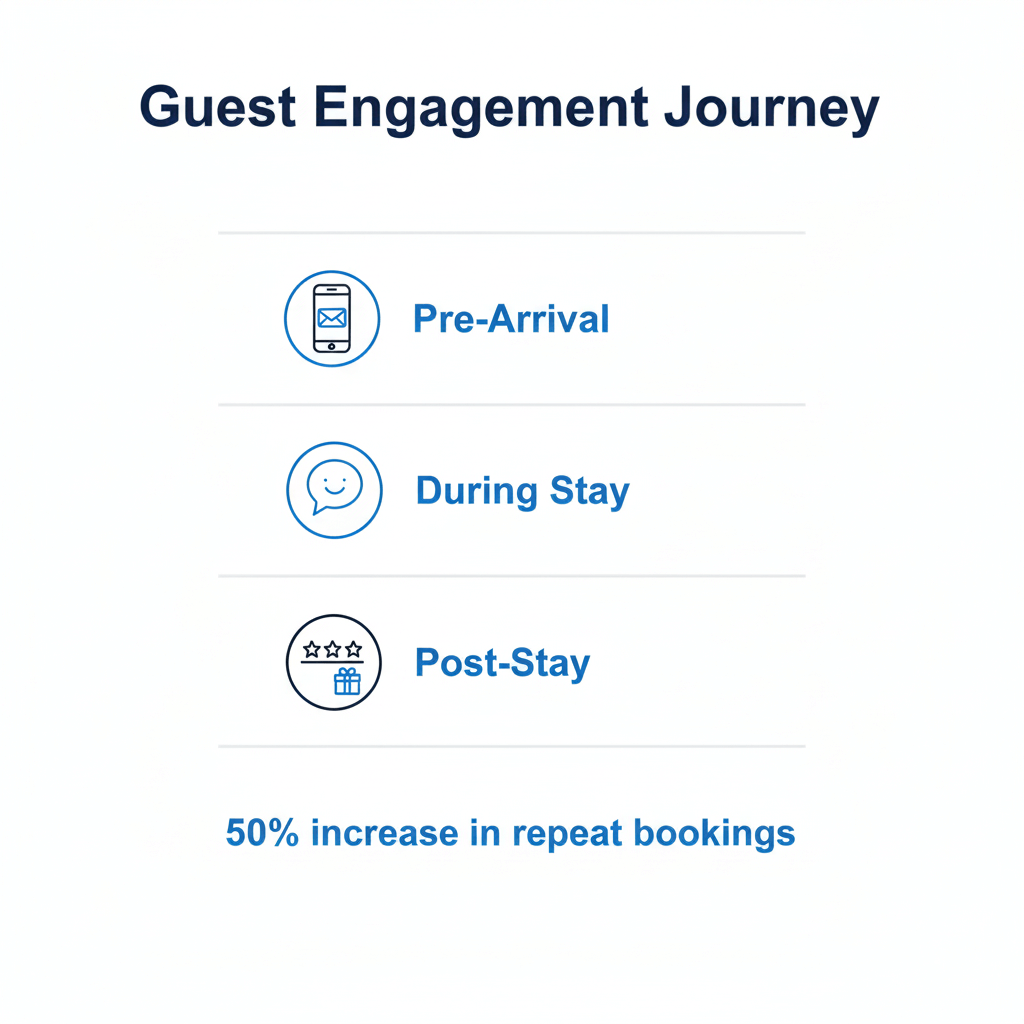
Guest engagement does not end at checkout. Many hotels contact guests only during promotions or holidays, which can make guests feel forgotten. Regular, relevant engagement keeps guests connected and valued.
A boutique coastal hotel implemented pre-arrival tips, in-stay check-ins, and post-stay thank-you messages. Within six months, repeat bookings increased by thirty-five percent. Effective engagement strengthens relationships and encourages loyalty.
Balance is important. Excessive messaging can feel intrusive, while too little can suggest neglect. Personalized, timely communication enhances the guest experience and encourages repeat visits.
Data shows personalized post-stay communication can boost repeat bookings by fifty percent.
Actionable tip: Use automated systems to send pre-arrival, in-stay, and post-stay messages. Maintain a personal tone and tailor content based on previous stays.
Experiences Over Discounts: Loyalty Is Earned, Not Bought
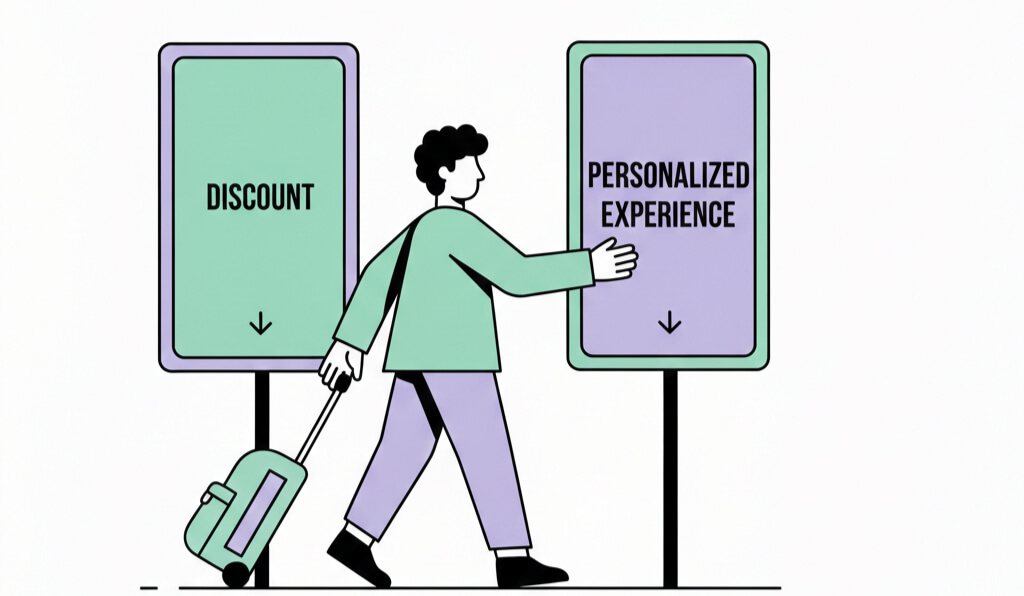
Discounts attract guests, but meaningful experiences create loyalty. Guests remember thoughtful gestures far longer than price reductions.
Maria, a returning guest at a luxury property, received a welcome basket, a handwritten anniversary note, and a complimentary room upgrade. Competitors offered lower rates, yet she returned consistently. Emotional connections from memorable experiences are more powerful than discounts.
Research confirms that fifty percent of guests value service and experience above price.
Actionable tip: Identify opportunities for impactful experiences, such as personalized touches, local recommendations, or surprise upgrades. These gestures create lasting loyalty.
Feedback: Collect and Act
Gathering feedback without follow-up signals indifference. Ignored complaints can quickly erode loyalty.
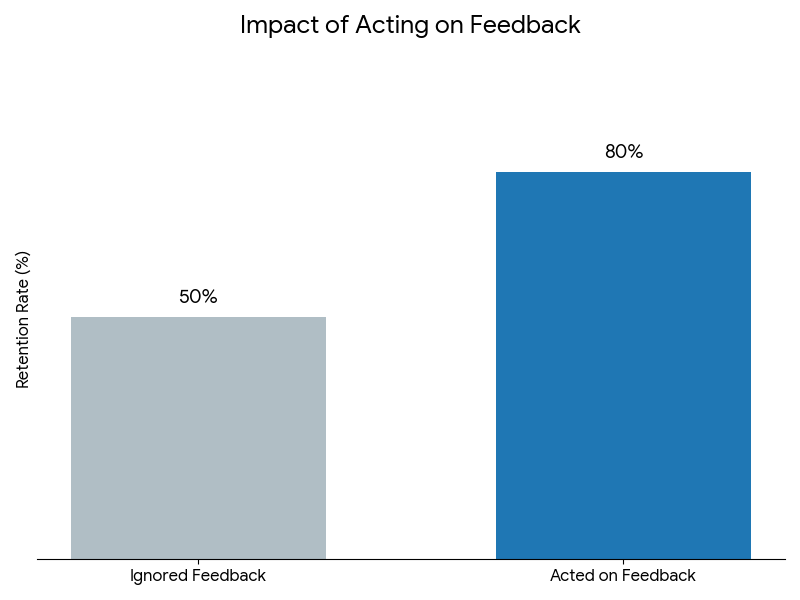
One hotel initially ignored slow check-in feedback and experienced a decline in repeat bookings. After implementing a structured system and acting on suggestions, retention improved significantly. Feedback helps identify operational gaps, anticipate guest needs, and enhance service quality.
Hotels acting on feedback see up to thirty percent higher repeat visits.
Actionable tip: Develop a formal process for collecting, analyzing, and acting on guest feedback. Share improvements with staff and highlight visible changes to demonstrate responsiveness.
Adaptation: Meeting Evolving Expectations
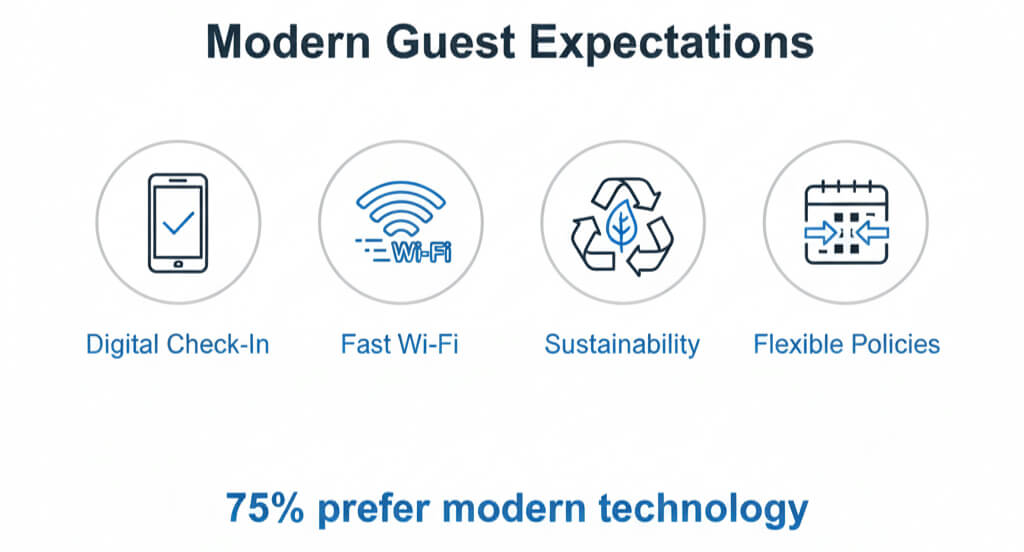
Traveler expectations evolve rapidly. Modern guests expect seamless digital experiences, sustainability, and flexibility. Hotels that resist change risk losing guests to competitors that meet these needs.
A property implementing mobile check-in, digital keys, and automated service tracking saw both repeat bookings and guest satisfaction increase. Adapting demonstrates attentiveness, competence, and relevance, critical drivers of loyalty.
Seventy-five percent of guests prefer hotels with modern technology solutions.
Actionable tip: Monitor travel, technology, and sustainability trends regularly. Invest in upgrades that align with guest expectations and showcase modern hospitality.
Measurement: Track to Improve
Many hotels fail to track repeat-guest behavior effectively. Metrics such as repeat-stay percentage, net promoter score, and loyalty program engagement reveal operational weaknesses and opportunities.
Data-driven strategies allow hotels to identify gaps, evaluate initiatives, and design targeted retention plans. Without tracking, loyalty efforts remain speculative, and valuable guests may be lost unnoticed.
Actionable tip: Track and benchmark key retention metrics monthly. Use insights to identify service gaps, evaluate loyalty programs, and refine guest engagement strategies.
The Financial Impact of Losing Repeat Guests
Losing a repeat guest costs more than lost revenue from a single stay. Repeat guests spend up to 67 percent more per visit and refer three to five new guests. The silent loss of repeat guests erodes revenue over time, often unnoticed until occupancy declines.
Retention is not optional. Hotels that ignore loyal guests can lose tens of thousands of dollars annually without realizing it.
Actionable tip: Calculate the lifetime value of repeat guests and compare it to the cost of retention initiatives. This clarifies the business case for investing in loyalty strategies.
Turning Mistakes into Loyalty Opportunities
Operational lapses, inconsistent service, and unmet expectations often drive repeat guests away. Each challenge also presents an opportunity to improve and build loyalty.
Hotels can enhance retention by:
- Delivering consistent service across all departments
- Training staff to anticipate guest needs proactively
- Resolving issues immediately and empathetically
- Engaging guests throughout the journey
- Acting on feedback visibly and promptly
- Prioritizing memorable experiences over discounts
- Implementing modern technology to enhance service
- Measuring guest retention and acting on insights
Even small improvements can produce significant gains in loyalty, guest satisfaction, and revenue.
Conclusion
Losing repeat guests is rarely accidental. Inconsistent service, inattentive staff, slow problem resolution, poor engagement, ignored feedback, outdated practices, and untracked metrics quietly drive guests to competitors.
Hotels focusing on consistency, staff awareness, fast problem resolution, engagement, memorable experiences, feedback, adaptation, and measurement can turn mistakes into opportunities. Guests feel seen, valued, and remembered, increasing repeat bookings and referrals.
Hotels earn repeat guests through care, attention, and meaningful experiences, not through discounts alone. Applying these strategies enables hotels to strengthen loyalty and achieve sustainable growth beyond the reach of marketing budgets.