Every year, millions of people step into churches and then back into ordinary life with a dark cross marked on their foreheads. You might see them at work, in school pickup lines, or standing in a grocery store aisle. The mark is simple, almost stark. But it carries centuries of meaning.
That mark belongs to Ash Wednesday, one of the most significant days in the Christian calendar. It begins not with celebration, but with honesty.
What Is Ash Wednesday?
Ash Wednesday marks the first day of Lent, a 40-day season of prayer, fasting, and reflection leading up to Easter Sunday. Because Easter’s date changes each year, Ash Wednesday falls between early February and early March.
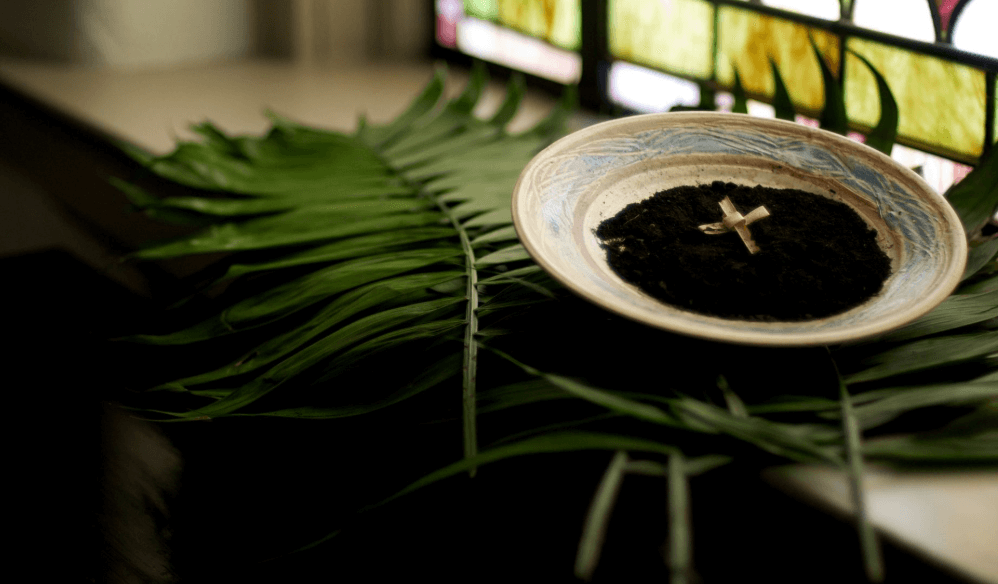
The name comes from the practice of placing ashes on the foreheads of believers. These ashes are traditionally made by burning palm branches from the previous year’s Palm Sunday, when Christians remember Jesus entering Jerusalem to cheers and waving branches. One year, those palms symbolize praise. The next, they are reduced to ash and placed on foreheads as a reminder of human frailty.
There is something sobering in that transformation. Celebration becomes reflection. Joy becomes humility. It mirrors the rhythm of human life itself.
A Tradition Rooted in History
The use of ashes as a sign of repentance is ancient. In the Old Testament, people sat in ashes or covered themselves in them as a sign of grief, sorrow, or humility before God. It was a physical expression of an inward truth.
Early Christians adopted this symbolism. By the 11th century, the practice of marking foreheads with ashes had become widespread in the Western Church. In 1091, the Synod of Benevento formally recognized the observance within the Catholic tradition. Over time, it grew into one of the most visible and recognizable Christian practices worldwide.
What has allowed it to endure is its simplicity. No elaborate ritual. No spectacle. Just ash and a cross.
The Meaning of the Ash Cross

During an Ash Wednesday service, a priest or minister traces the sign of the cross on each person’s forehead while speaking one of two phrases:
“Remember that you are dust, and to dust you shall return.”
Or:
“Repent and believe in the Gospel.”
The first is a reminder of mortality. Human life is temporary. Ambition, pride, success, and status all exist within limits. The second is an invitation. Turn back. Realign. Begin again.
Together, the words confront two realities at once. Life is fragile, and change is possible.
The ashes are not meant to be wiped away immediately. Many people wear them throughout the day as a quiet declaration of faith. It is not loud or dramatic. It is simply visible.
Who Observes Ash Wednesday?
Ash Wednesday is most closely associated with the Roman Catholic Church, but it is also observed by Anglicans, Lutherans, Methodists, Presbyterians, and Episcopalians. Each tradition may shape the service differently, but the central meaning remains consistent.
Interestingly, it is not a Holy Day of Obligation in the Catholic Church. Attendance at Mass is encouraged but not required. Even so, churches are often full. There is something about this day that draws people in, even those who attend infrequently.
It is also not a public holiday. Schools and offices continue as usual. The world keeps moving. Yet for those who observe it, there is a noticeable shift beneath the surface, a quieter interior posture carried into an otherwise ordinary day.
Fasting and Discipline
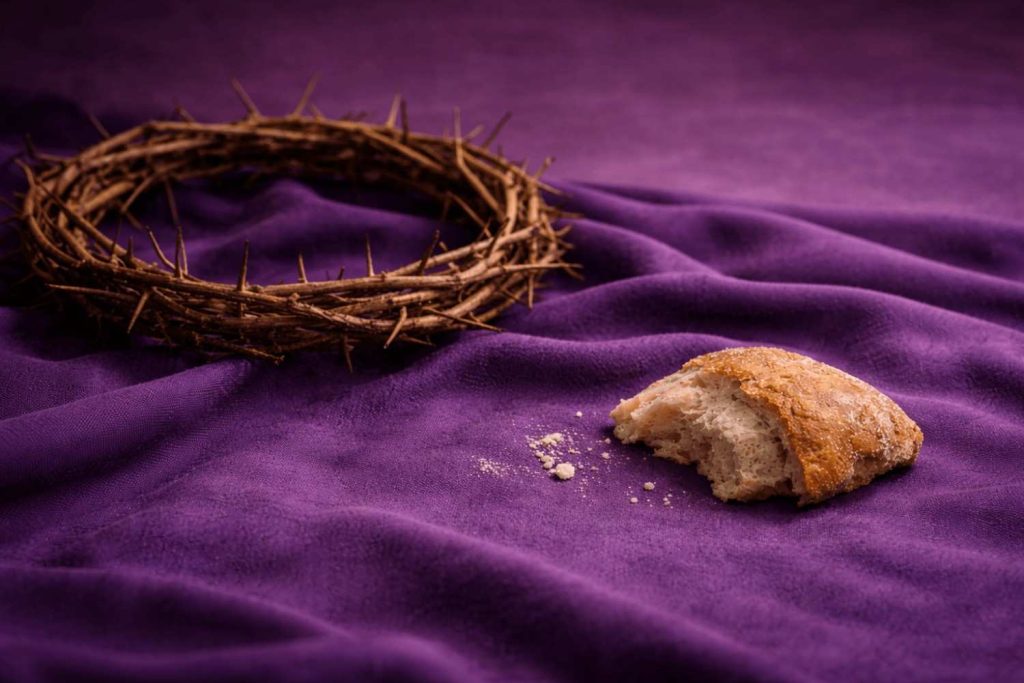
Ash Wednesday is a day of fasting and abstinence for many Catholics. The traditional guideline is one full meal and two smaller meals that together do not equal a second full meal. Meat, particularly red meat, is avoided.
The purpose is not punishment. It is awareness.
When you deliberately limit something basic, like food, you become more conscious of your impulses and routines. You notice how often you reach for comfort. You recognize how quickly desire rises. Fasting creates space, not only in the body but also in the mind.
For many, it is less about hunger and more about clarity.
The Season That Follows: Lent
Ash Wednesday opens the season of Lent, a 40-day journey toward Easter. The number 40 appears repeatedly in Scripture in moments of testing and preparation. It rained for 40 days during the flood. The Israelites wandered for 40 years. Jesus fasted for 40 days in the wilderness before beginning his public ministry.
Lent carries that same theme of preparation.
Some people give up something during this season, such as sugar, alcohol, social media, or a habit that has taken too much space in their lives. Others add something, like daily prayer, intentional acts of kindness, or time set aside for reflection.
The goal is not self-improvement for its own sake. It is alignment. A deliberate recalibration of priorities. Lent concludes as Christians approach Holy Week and ultimately Easter Sunday, the celebration of resurrection and renewal.
Why Ash Wednesday Still Matters
In a culture that moves quickly and rarely pauses, Ash Wednesday interrupts the pace. It asks the necessary questions.
- Are you living with intention?
- Are you aware of your limits?
- Are you willing to change?
The ashes are humbling. They acknowledge that life is temporary and control is limited. But they also mark a beginning. They signal that reflection is not an end in itself. It is preparation for growth.
Ash Wednesday does not promise instant transformation. It offers something steadier, a starting point. A moment to admit what is fragile, what needs repair, and what deserves more attention.
Perhaps that is why the tradition endures. In a world that often avoids conversations about mortality and repentance, this day faces both directly. It does so without spectacle. Without noise. Just ash, a cross, and a quiet decision to begin again.