“The installation was seamless, with minimal disruption to our operations.”
That line comes from the General Manager of a leading five star property in South India. Software rollouts at large hotels rarely earn that kind of review, because new systems usually mean weeks of confusion, staff pushback, and guests caught in the middle while teams learn new screens.
So this is the story of what changed at the property after Geedesk went live.
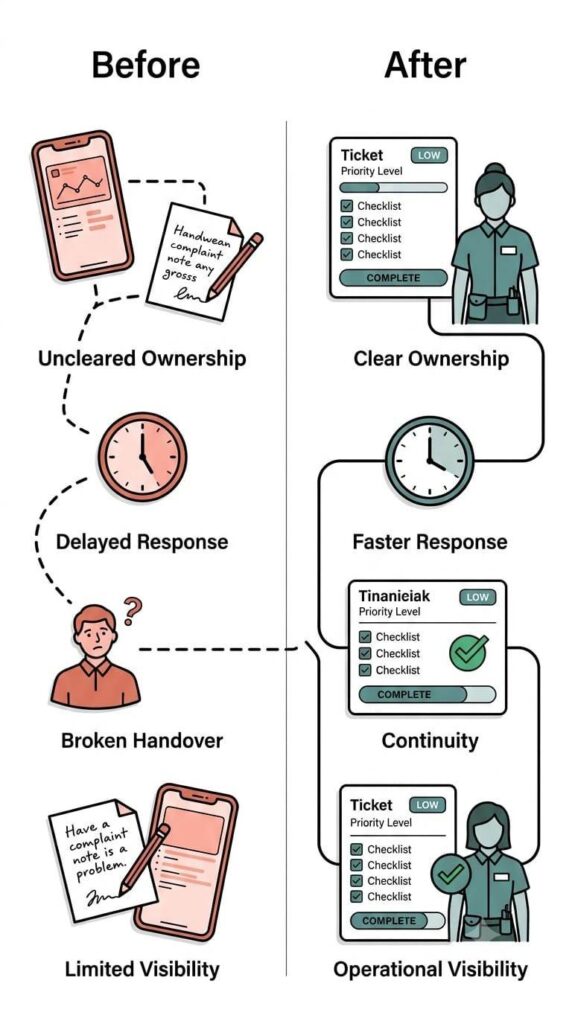
What complaint handling looks like before a system owns it
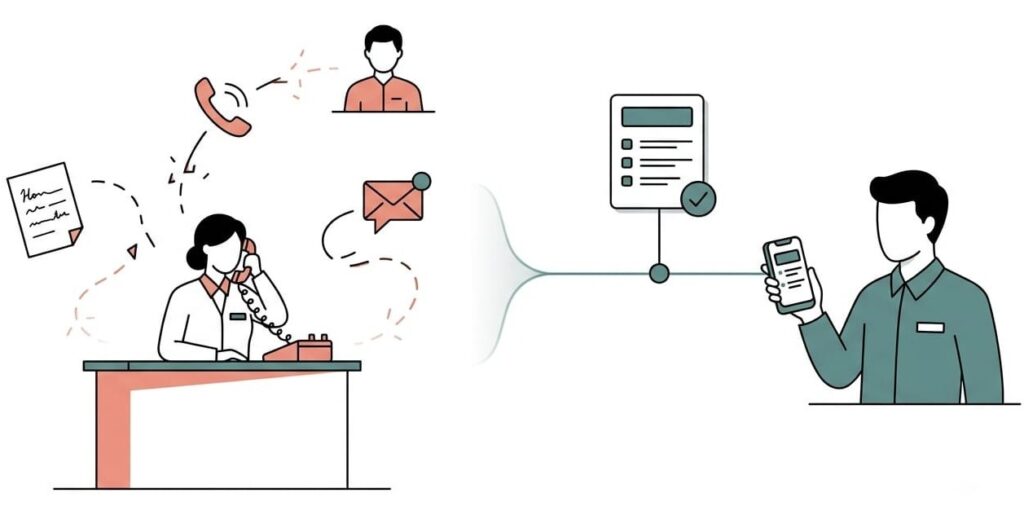
First, picture a busy evening at a large city property. A guest in room 412 calls the front desk about a leaking tap. The front desk agent writes it down, calls engineering, and gets voicemail. Then she tries the duty manager on WhatsApp. Twenty minutes pass, and the guest calls again, more annoyed this time.
Nobody did anything wrong here. Instead, the problem is that no one owns the complaint. It lives in a phone call, a sticky note, and someone’s memory. So when the shift changes, it can vanish entirely.
At a property of this size, the pattern repeats across housekeeping, engineering, food and beverage, and the front office. Every department works hard, but the gaps sit between them.
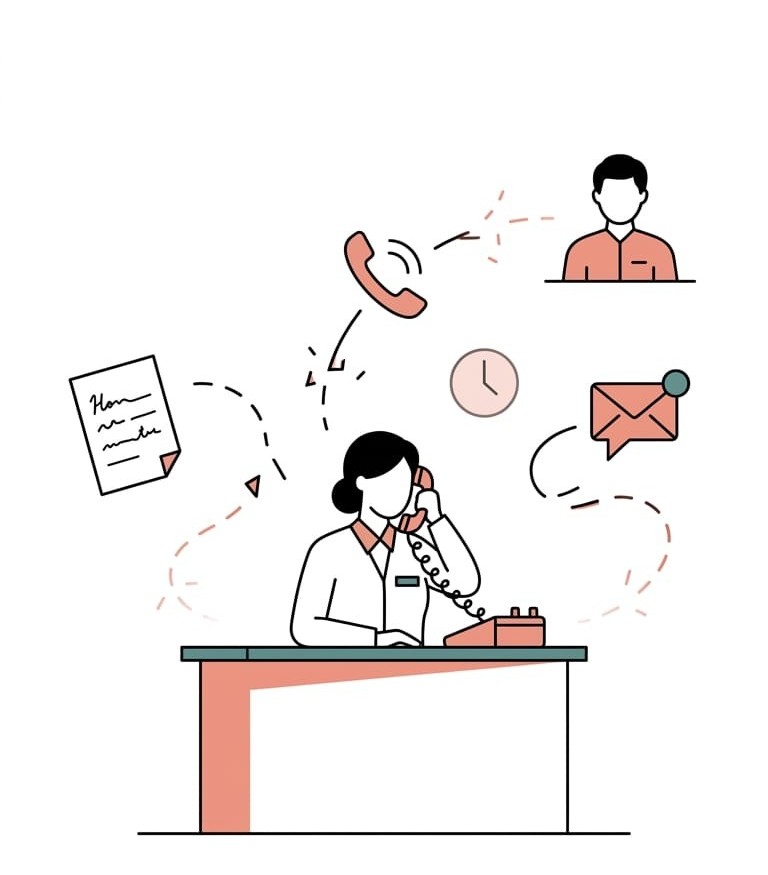
Engineering issues are usually the worst offenders. For example, a dripping AC or a faulty geyser needs a technician, a part, and sometimes a second visit. Without a system tracking each step, jobs stall halfway, and nobody notices until the guest complains again or checks out unhappy.
Meanwhile, the front office feels it from the other side. Agents field the follow-up calls and apologize for delays they did not cause, yet they have no way to check where a job stands. As a result, they can only promise to chase it, again.
Go-live without the usual chaos
Most hotel software horror stories start at implementation. However, this property’s experience went differently, and the GM called it out directly.
Two things stand out from his account. First, the rollout caused minimal disruption to operations. The hotel kept running while the system came in, with no shutdown weekend and no parallel paper process dragging on for months.
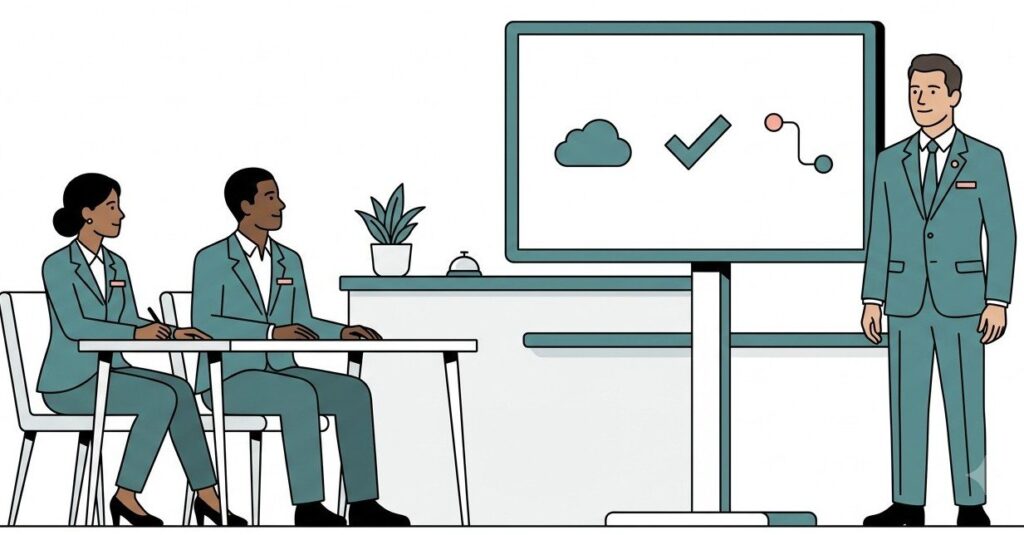
Second, the training was thorough enough that the team made the transition smoothly rather than fighting the new tool. That point matters more than it sounds, because a complaint management system only works if the housekeeping supervisor, the engineering technician, and the front desk agent all actually use it. Otherwise, half the staff quietly go back to phone calls, and even the best software fails.
Geedesk lowers that barrier in a practical way. Staff can work through SMS, WhatsApp, or the Geedesk mobile app, so a team member does not need to sit at a desktop to receive a ticket or close one. Even a technician on a ladder can get the alert on whatever phone is in his pocket.
Finally, the GM’s verdict on usability was short and clear. He called the system user-friendly. In hotel operations, where staff turnover is constant and training time is scarce, that is not a small compliment.
How the flow changed after Geedesk
Once the system went live, that leaking tap in room 412 follows a different path.
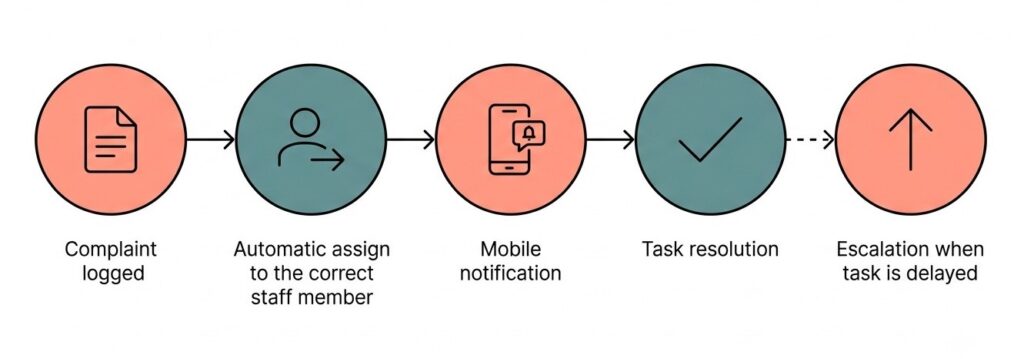
The front desk logs the complaint as a ticket. Then Geedesk’s automatic ticket assignment routes it to the right person in engineering on the current shift, instantly. No phone chain, no voicemail. The technician gets an alert on his phone, and the front desk can see the ticket is in someone’s hands.
If the ticket sits unresolved past its time limit, escalation policies kick in. The department head gets notified automatically, and if the job stalls further, it climbs to the next level. Because Geedesk supports up to four levels of escalation, each with its own time limit, a genuinely stuck problem reaches senior management on its own. Nothing depends on someone remembering to follow up. That matters because industry research on service recovery found follow-up is the step where hotel complaint handling most often breaks down.
The GM pointed to this area in his feedback. The property was particularly impressed with Geedesk’s ability to track engineering issues and pending tasks. Jobs that used to stall halfway now stay visible until someone closes them, and he reported noticeable improvements in response times and issue resolution as a result.
The change guests never see but always feel
After go-live, the biggest shift happened between departments, not within them.
Before, a complaint that touched two departments was the most likely one to fall through. Suppose a guest reports a musty smell in the room. Is that housekeeping or engineering? In a phone-based setup, each department can reasonably assume the other has it. In Geedesk, however, the ticket sits with a named owner, and everyone involved can see its status. So the question of “who has this” stops existing.
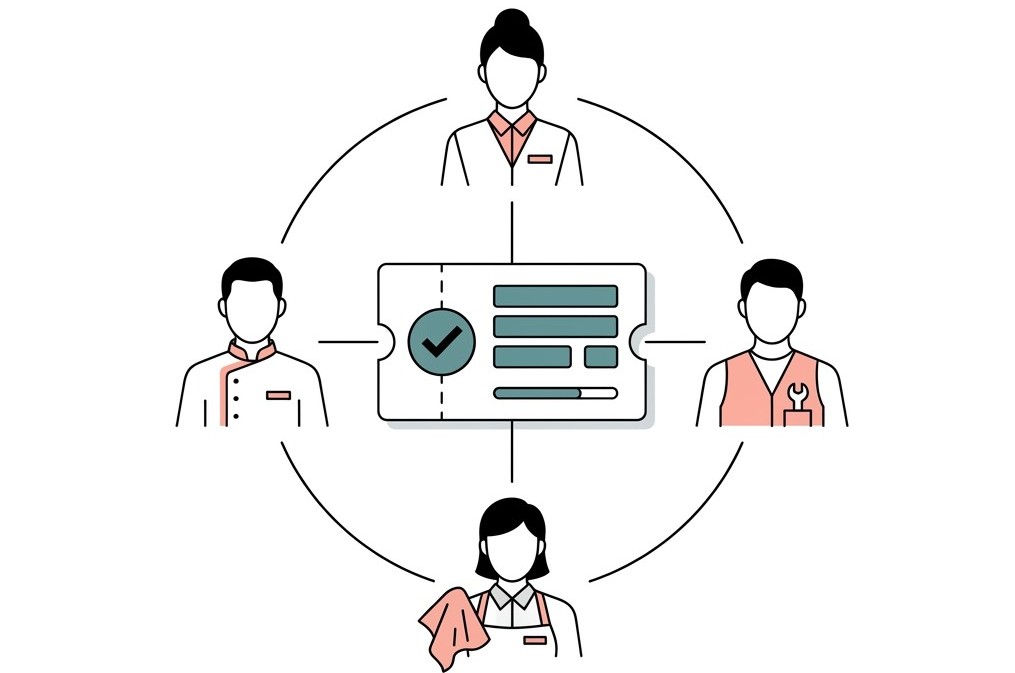
Shift changes work the same way. The evening team does not depend on a verbal handover to know what the morning team left open, because open tickets carry over on their own, with the full history attached.
VIP stays get an extra layer. With VIP and VVIP alerts, the front office can flag a high-profile arrival so every department knows to treat that guest’s requests with priority from check-in to checkout. At a five star property, where one mishandled VIP request can undo months of goodwill, that alone justifies a system.
What the GM now sees that he could not before
Complaint handling used to be invisible to management until something went wrong. A GM heard about problems through angry emails, review sites, or a department head’s summary. All of it arrived late, and all of it was filtered.
With Geedesk’s reports and the GM dashboard, the picture changed. Now management can see where complaints cluster, which departments resolve fast, which tickets breached their time limits, and how volumes move across weeks. Department heads also get their own focused view of the same data.
That turns review meetings into different conversations. Instead of debating whose memory of last month is right, the team looks at the same numbers. For instance, if AC complaints spike on one floor, that is a maintenance pattern worth investigating, not a series of unlucky coincidences. In short, the property stopped guessing about service gaps and started seeing them.
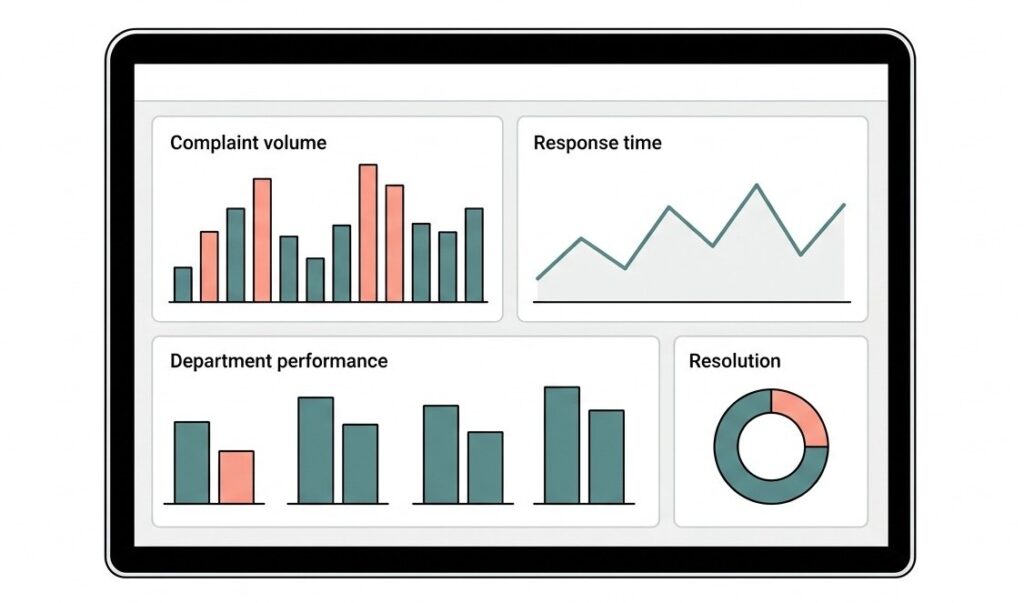
The GM’s summary of the overall effect was direct. He recommended Geedesk for any organization looking to boost operational efficiency.
The part hotels worry about most: fitting into existing systems
Large properties run on their property management system, and any new tool has to live alongside it. Geedesk integrates with major hotel systems such as Oracle Opera, WinHMS, and IDSNext, so complaint management connects to the systems the hotel already runs instead of competing with them.
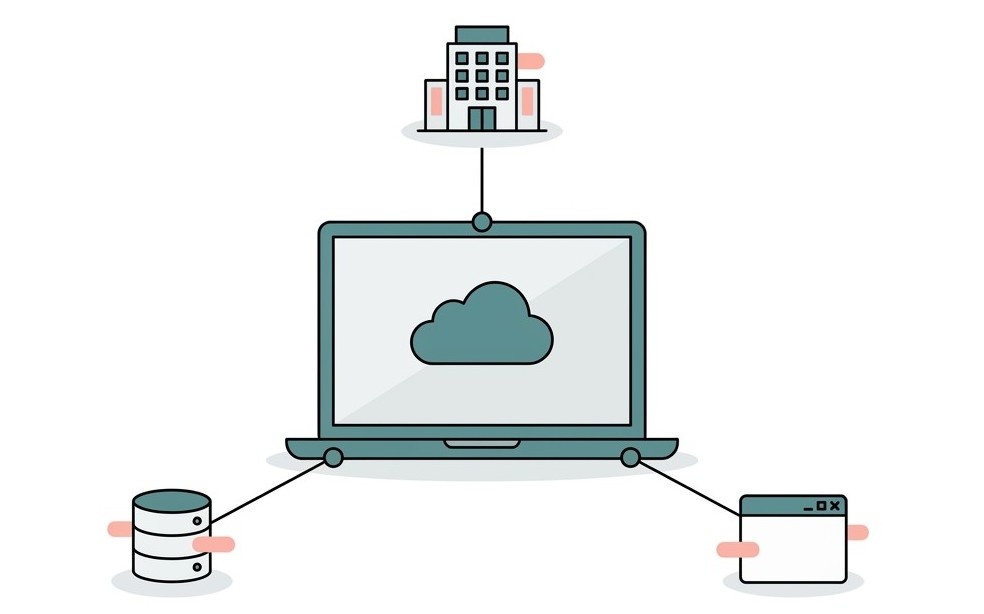
Also, because Geedesk is 100% cloud based, there were no servers to install on the property and nothing for the hotel’s IT team to maintain on site. Staff log in from a browser or the mobile app, and the system stays reachable around the clock. After all, guest complaints do not keep business hours, and now the tracking system does not either.
What the GM said, in his own words
“We recently had Geedesk installed, and the experience has been exceptional. The installation was seamless, with minimal disruption to our operations.
Geedesk has greatly improved our ability to manage guest requests and complaints efficiently. It’s user-friendly, and the thorough training provided made the transition smooth for our team.
We are particularly impressed with Geedesk’s ability to track engineering issues and pending tasks, leading to noticeable improvements in response times and issue resolution. We highly recommend Geedesk for any organization looking to boost operational efficiency.”
What this means if you run a similar property
The hard part of complaint management was never effort, because hotel teams already work hard. The hard part is ownership, and that is a systems problem, not a people problem.
When every complaint becomes a ticket with a name, a clock, and an escalation path behind it, the gaps between departments close. The GM sees the whole picture, engineering jobs stop dying in the handover, and guests get answers before they have to ask twice.
Also notice what this property’s story did not require. There was no months-long rollout, no army of consultants, and no fight with the existing PMS. Just a clean install, proper training, and a team willing to log tickets instead of making phone calls.
If your property still runs complaints through phone calls and WhatsApp groups, you already know where the leaks are. So book a Geedesk demo and see the same workflow on your own operation.